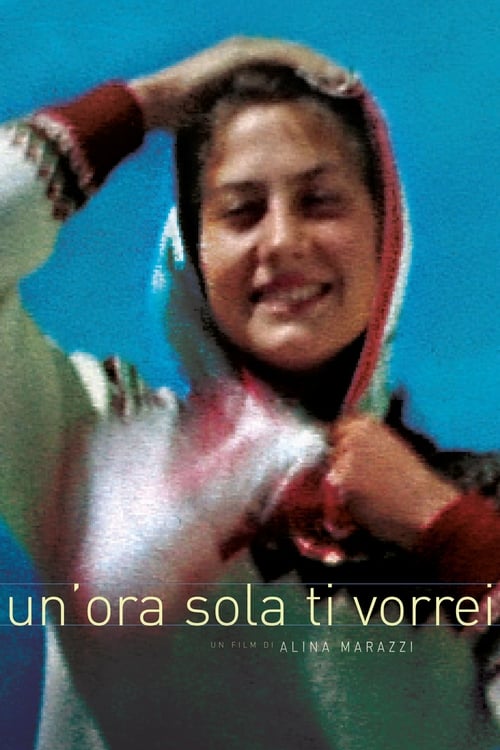
For One More Hour with You
2005
No user ratings available yet
Representation score: 8.4 out of 10

Representation Score
Excellent
2025
Director
Jesper Dalgaard
Runtime
97 minutes
Average Rating
No ratings yetNew Showbiz Analysis
Mommy's Boys is a staged documentary that prioritizes emotional authenticity over strict historical accuracy. By focusing on the lived experiences of women and the impact of alcoholism, the film effectively challenges traditional patriarchal storytelling structures. However, the film's scope is limited to a specific European social class in 1950s Copenhagen, which lacks racial and ethnic diversity. While it offers a deep psychological perspective and critiques traditional domestic narratives, it does not explore LGBTQ+ identities or diverse cultural backgrounds. Ultimately, the film's strength lies in its psychological depth and its challenge to the cliché of the perfect family through a female-centric lens.
Category Breakdown
The film does not include any explicit references to LGBTQ+ identities or relationships that go beyond the assumption that everyone is straight. The story focuses on family and generational trauma rather than on queer identity.
The film challenges traditional gender roles by emphasizing the emotional complexity and ability to act of women. It critiques masculine roles through the absence of fathers.
The film is set in a specific European social class in 1950s Copenhagen and does not show significant racial or ethnic diversity in its casting or setting.
The narrative dismantles the idea of the perfect Western family by focusing on systemic dysfunction, loneliness, and the complexities of alcoholism.
Mental health and addiction are central themes in the film. Alcoholism is portrayed as an integral part of the characters' lives rather than just a plot device.
Present on Screen
Limited or Absent
Official Synopsis
Adrian Hughes digs into his mother's dramatic life, from the jetset Copenhagen of the 1950's to loneliness and alcoholism, but a bitter farewell letter opens new wounds. In Jesper Dalgaard's staged documentary we encounter tragic female destinies, affluent and absent fathers, while actors such as Birthe Neumann, Asta August and Jakob Cedergren bring the past to life in this breathtaking experiment. With equal parts humour and pain, the film shows that it's never too late to try to understand your family.
2005
2023

2022

2011
2018
2010
2016
1996
No reviews yet. Be the first to share your thoughts on this movie!
Use the rating form above to leave a star rating and optional review.