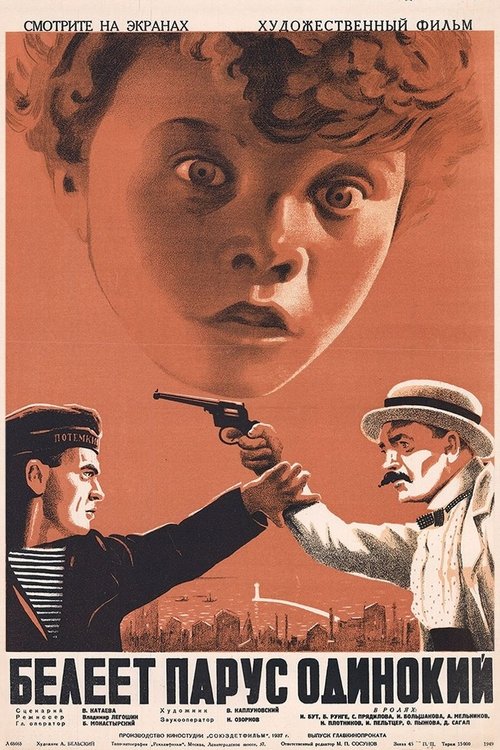
The Lonely White Sail
1937
No user ratings available yet
Diversity score: 4.7 out of 10
1955
Director
Vladimir Vengerov
Runtime
92 minutes
Average Rating
No ratings yetSynopsis
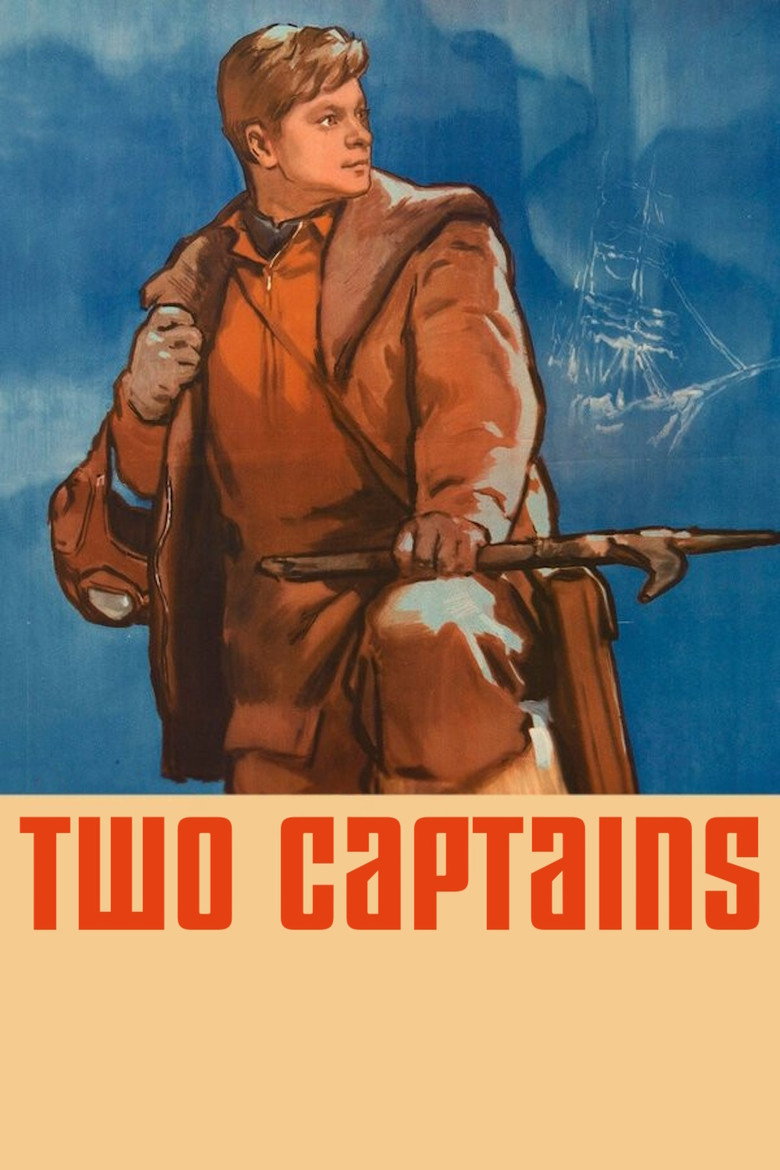
From childhood, Sanya Grigoryev was able to achieve success in any business. He grew up a courageous and brave man. The dream of finding the remnants of Captain Tatarinov’s expedition led him to the ranks of polar explorers. The life of Captain Grigoryev is full of heroic events: he flew over the Arctic, fought against the Nazis. He was in danger, had to endure temporary defeats, but the hero’s persistent and purposeful character helps him to keep his vow made to himself in childhood: “Fight and seek, find and not give up.”
Overall Score
Fair
Category Breakdown
LGBTQ+ Representation
The film follows traditional heteronormative structures typical of the 1955 adventure genre. There is no evidence of non-cisnormative identities or same-sex intimacy within the narrative.
Gender Representation
Agency is concentrated in male-dominated spheres like polar exploration and military conflict. The story reinforces traditional masculine archetypes rather than subverting gender hierarchies.
Racial & Ethnic Diversity
The narrative focuses on a singular heroic arc within a Soviet/Arctic context. It lacks evidence of intentional diverse casting beyond the dominant ethnic groups of the era.
Religious & Cultural Diversity
The film deconstructs Western-centric narratives by focusing on Soviet Arctic exploration and anti-Nazi struggles. It prioritizes communal purpose and collective truth over individualistic pursuits.
Disability Representation
The available information contains no mention of characters navigating physical or neurodivergent disabilities.
Strengths
Areas for Improvement
AI Analysis
Two Captains is a mid-century Soviet adventure film that centers on the heroic, masculine journey of Sanya Grigoryev. The narrative is built around traditional archetypes of the explorer and soldier, emphasizing persistence and duty to a larger cause. While the film lacks modern intersectional markers regarding gender and LGBTQ+ identity, it offers a strong cultural alternative to Western-centric storytelling. Its focus on anti-fascist themes and collective struggle provides a distinct perspective on heroism. Ultimately, the film reflects the Socialist Realism of its era, prioritizing state-aligned values and communal purpose over individualistic or diverse social representations.
1937
1971

2017
1952
1962
1937

1978
1983

1982
1963
1974
1974
No reviews yet. Be the first to share your thoughts on this movie!
Use the rating form above to leave a star rating and optional review.