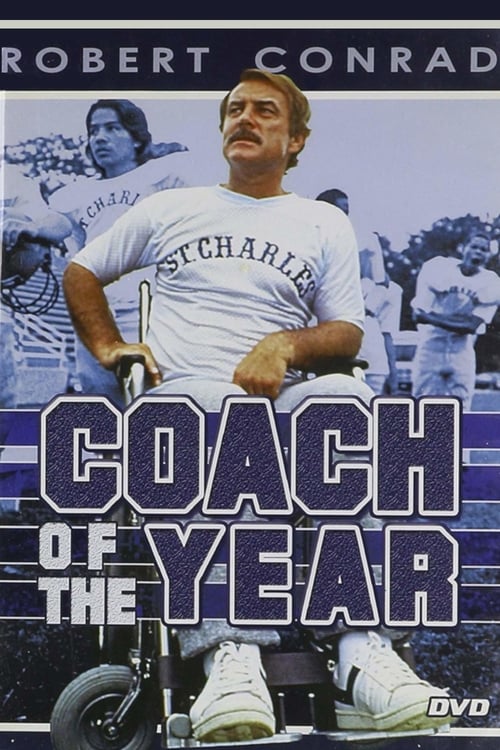
Coach of the Year
1980
No user ratings available yet
Representation score: 3.0 out of 10
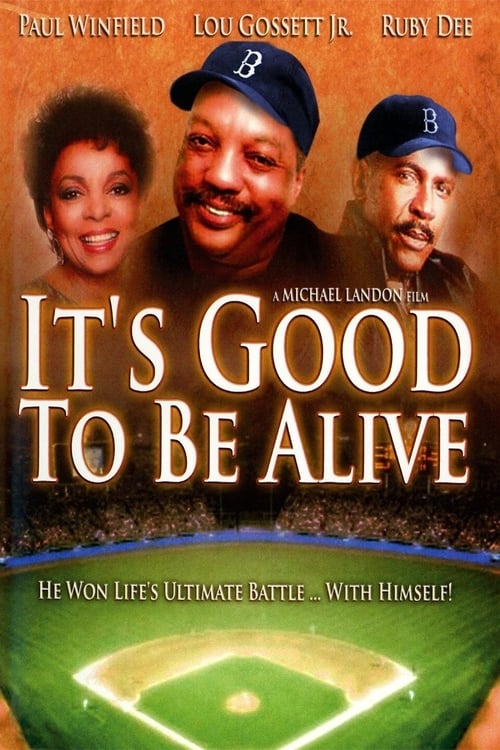
Representation Score
Fair
1974
Director
Michael Landon
Runtime
100 minutes
Average Rating
No ratings yetNew Showbiz Analysis
The film succeeds as a meaningful biographical study by providing visibility to both racial and disability-related narratives. By centering on Roy Campanella, the story offers a nuanced look at a Black athlete's life after his career. The portrayal of physical impairment avoids superficial clichés, focusing instead on the realistic challenges of adaptation. However, the film remains rooted in conventional storytelling. It adheres to traditional biographical structures and emphasizes individual resilience within established social frameworks. This lack of systemic subversion limits its broader social impact. Ultimately, while the film offers important representation for its time, its focus on traditional themes and masculine-centric narratives results in a moderate overall score.
Category Breakdown
The film does not include any LGBTQ+ characters or narratives. It focuses on a heterosexual biography that follows traditional interpersonal dynamics.
The story centers on the male experience of physical trauma and recovery. It emphasizes masculine resilience and the protagonist's role in driving the story.
Centering on Roy Campanella provides significant visibility for an African American athlete. This disrupts historical trends of excluding non-white athletes in mid-century sports biographies.
The narrative functions as a traditional biographical drama focused on personal fortitude. It emphasizes the human capacity to endure hardship within existing social structures.
The film provides high ability to act to a character navigating life in a wheelchair. It focuses on the complexities of identity and adaptation rather than mere spectacle.
Present on Screen
Limited or Absent
Official Synopsis
This movie details the struggles of former Brooklyn Dodger catcher Roy Campanella to adapt to life in a wheelchair following his crippling automobile accident in 1959. Cinematographer Ted Voigtlander was Emmy-nominated.
1980

2014
2005
1942
1978
2005

1991

2016
No reviews yet. Be the first to share your thoughts on this movie!
Use the rating form above to leave a star rating and optional review.