
30 Girls 30 Days
2012
No user ratings available yet
Representation score: 0.6 out of 10
Representation Score
Minimal
1972
XDirector
Conrad Foxx
Average Rating
No ratings yetNew Showbiz Analysis
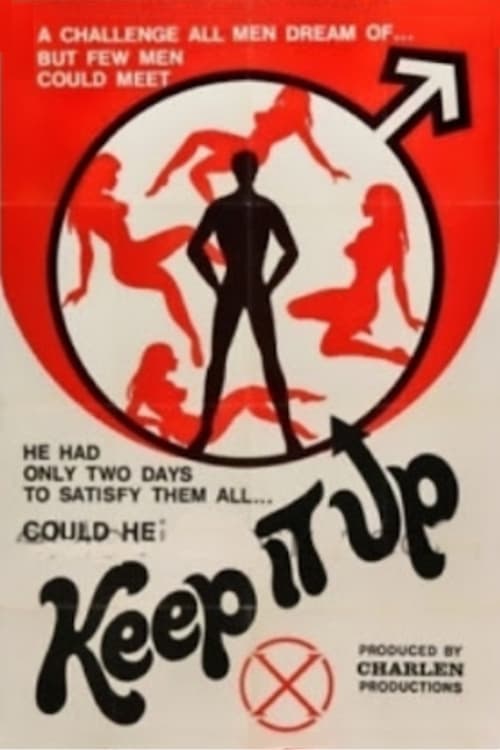
Keep It Up (1972) operates within a traditional comedic framework that emphasizes gendered objectification and male competition. The central conflict revolves around a wager centered on sexual conquest, which reinforces existing social hierarchies. The film lacks complexity in character development and fails to address broader social critiques. Instead, it adheres to conventional clichés that prioritize traditional social dynamics over nuanced storytelling.
Category Breakdown
The film centers on traditional heterosexual relationships and male competition, without addressing non-cisgender identities or questioning sexual hierarchies.
Female characters are portrayed as passive objects in a male-driven wager, reinforcing traditional gender roles and male dominance.
The film lacks detailed descriptions of a diverse cast, suggesting a reliance on homogeneous casting typical of low-budget comedies from this era.
The thematic core aligns with regressive social behaviors, showing no signs of secularism or criticism of Western institutions.
There are no characters with visible or invisible disabilities in the narrative.
Limited or Absent
Official Synopsis
A guy makes a bet with his friends that his friend can bang all women the've struck out with.
2012
1992

2016

1969

1994

2001

1972

1984
No reviews yet. Be the first to share your thoughts on this movie!
Use the rating form above to leave a star rating and optional review.