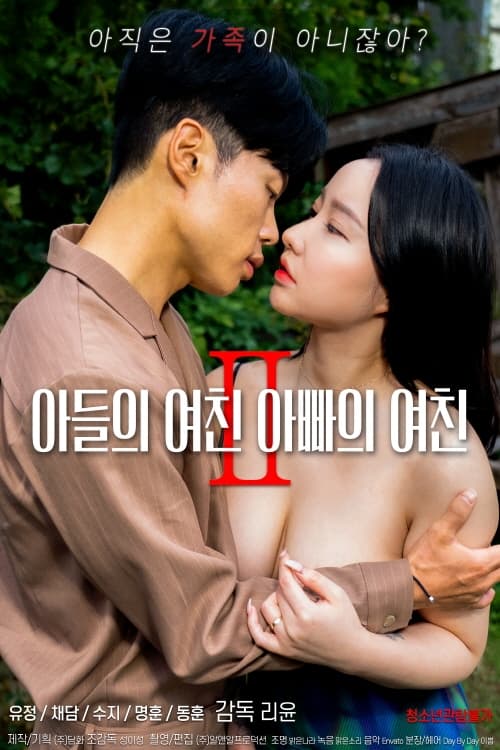
Son's Girlfriend, Daddy's Girlfriend 2
2022
No user ratings available yet
Representation score: 5.1 out of 10
Representation Score
Fair
2024
Average Rating
No ratings yetNew Showbiz Analysis
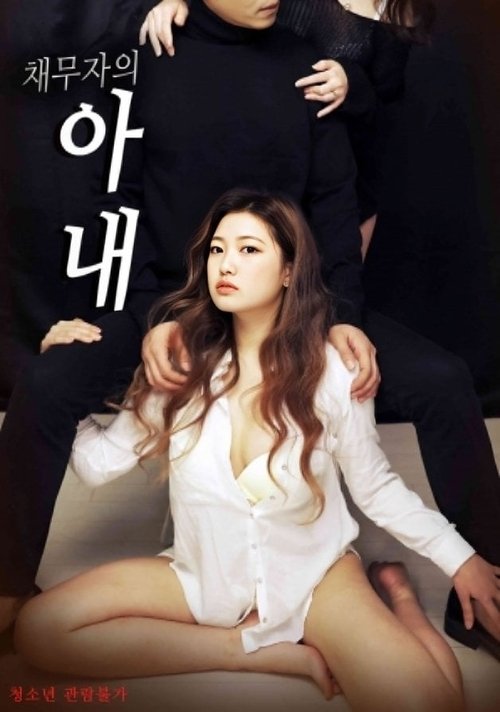
Debtor’s Wife functions as a character-driven drama that deconstructs traditional romantic and familial expectations. By focusing on mismatched marriages and cyclical patterns of desire, the film moves away from idealized clichés to explore the friction between individual needs and social structures. The narrative's strength lies in its challenge of traditional patriarchal roles and the sanctity of biological lineage. It uses themes of infertility and unconventional proposals to question the stability of the nuclear family. However, the film's depth regarding specific identity groups is limited. While it touches on medical conditions and complex emotional dynamics, it lacks explicit details regarding racial diversity or clear non-assuming gender matches what was assigned at birth identities.
Category Breakdown
The film explores a complex love tangle that disrupts standard assumptions about heterosexual relationships. While emotional orientations seem fluid, there is no explicit confirmation of same-sex intimacy.
Women play a significant role in driving the narrative through their reproductive ambitions. The story also challenges traditional patriarchal roles by centering a husband's secret infertility.
The available information provides no details regarding the racial or ethnic composition of the cast. Consequently, no assessment of racial diversity can be made.
The plot critiques traditional ideals of the nuclear family and biological lineage. It prioritizes individual emotional fulfillment over the social stability of institutionalized marriage.
Infertility is introduced through Dae-in as a central plot catalyst. However, it remains unclear if this medical condition is treated with nuanced ability to act or used as a device.
Present on Screen
Limited or Absent
Official Synopsis
Soo-yeong and Hae-soo are college friends stuck in a love tangle: Soo-yeong likes Che-moo, but Che-moo likes Hae-soo. Meanwhile, Hae-soo likes Dae-in, but Dae-in likes Soo-yeong. Despite the mixed-up feelings, they end up in mismatched marriages. Later, Hae-soo wants to have a baby and tries to get closer to her husband, Dae-in. But Dae-in knows he can’t have children, so he secretly makes a surprising proposal to Soo-yeong’s husband, Che-moo.
2022

1999
2007

2015

2016

2011
2020

2021
No reviews yet. Be the first to share your thoughts on this movie!
Use the rating form above to leave a star rating and optional review.