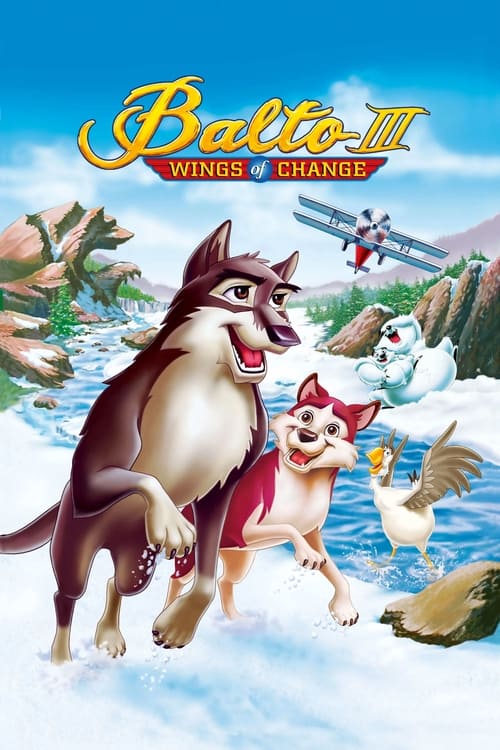
Balto III: Wings of Change
2004
No user ratings available yet
Representation score: 1.6 out of 10
Representation Score
Fair
2002
GDirector
Phil Weinstein
Runtime
75 minutes
Average Rating
No ratings yetNew Showbiz Analysis
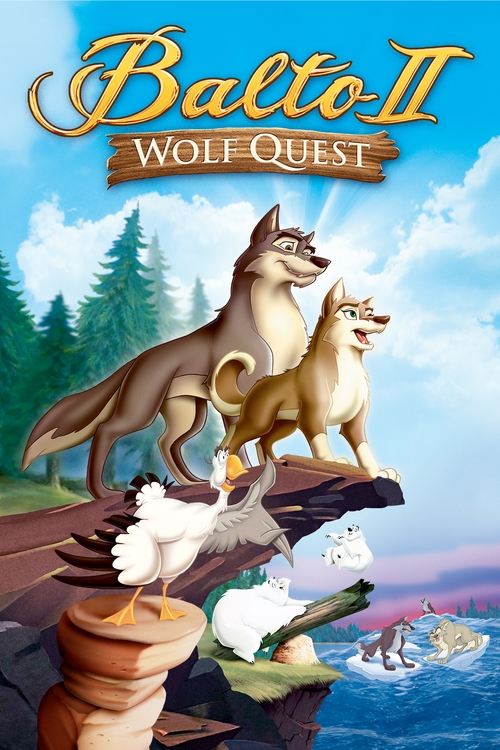
Balto: Wolf Quest functions as a traditional family adventure that prioritizes character-driven storytelling over disrupting social hierarchies. It operates within the established norms of the animation genre rather than seeking to challenge them. The film's exploration of identity is primarily metaphorical, using the divide between dogs and wolves to examine themes of 'otherness.' While this provides a nuanced look at belonging, it lacks the intentionality required for a high progressive score. Ultimately, the narrative focuses on the personal journey of Aleu and Balto, staying within the safe, conventional parameters of early-2000s direct-to-video sequels.
Category Breakdown
The film follows traditional relationship structures common in early-2000s family animation. There are no explicit LGBTQ+ characters or narratives that challenge the assumption that everyone is straight or cisgender.
Aleu plays a significant role in driving the story during her quest for self-discovery. However, the character dynamics follow traditional coming-of-age clichés rather than actively challenging gender hierarchies.
The film uses animal species as a stand-in for identity. The tension between wolves and dogs serves as a metaphor for belonging, though it does not engage with human racial diversity.
The story focuses on themes of identity and instinctual belonging. It does not overtly critique Western institutions, capitalism, or organized religion, following standard adventure-genre clichés.
There is no evidence of visible or invisible disabilities or neurodivergence. No characters utilize disability as a narrative device.
Present on Screen
Limited or Absent
Official Synopsis
Balto and his daughter Aleu embark on a journey of adventure and self discovery.
2004

1997
1995

2007
2003

2014
2006
2005
No reviews yet. Be the first to share your thoughts on this movie!
Use the rating form above to leave a star rating and optional review.