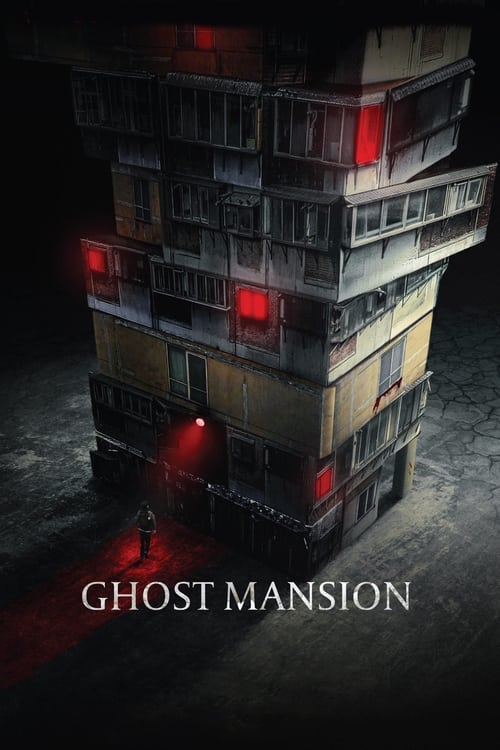
Ghost Mansion
2021
No user ratings available yet
Representation score: 4.2 out of 10
Representation Score
Good
2021
Director
Sim Deok-geun
Runtime
85 minutes
Average Rating
No ratings yetNew Showbiz Analysis
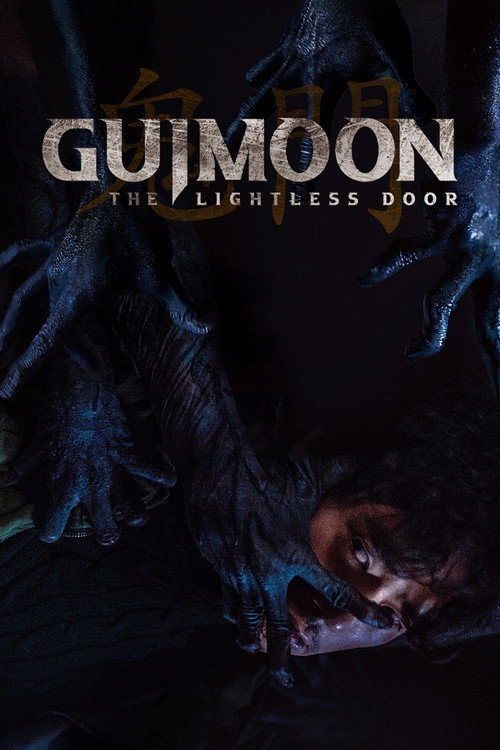
Guimoon: The Lightless Door is a localized genre piece that emphasizes atmospheric horror and historical mystery. It successfully provides a non-Western narrative perspective by incorporating South Korean folklore and social contexts, which contrasts with mainstream Hollywood storytelling. However, the film does not clearly subvert social hierarchies or include multi-layered markers. Character arcs center on traditional clichés, such as the haunted protagonist, rather than actively deconstructing identity-based power dynamics. Overall, the film serves as a culturally specific thriller exploring communal trauma but does not delve deeply into progressive representation or diverse identity narratives.
Category Breakdown
The film does not include any explicitly identified LGBTQ+ characters or non-cisgender identities. The story revolves around paranormal investigations and historical tragedies, focusing on traditional character roles.
The film features a mix of male and female characters, including three college students and a male investigator. While the group includes both genders, there is no clear indication of women challenging traditional power structures.
As a South Korean production, the film provides a culturally specific perspective centered on East Asian social contexts and folklore, offering an alternative to Western-centric storytelling.
The story delves into historical trauma and the hidden secrets of a community, examining how past systemic violence and institutional instability affect the present through a lens of communal tragedy.
The protagonist faces significant psychological trauma after losing his mother. It is unclear whether this portrayal explores mental health with ability to act or follows a typical genre cliché.
Present on Screen
Limited or Absent
Official Synopsis
In 1990, at a secluded community center, the custodian murders all the guest lodgers and kills himself. Ever since, on every Old Year's Night, paranormal events begin to take place within the building. Eventually, the center is shut down and left abandoned for years. A renowned paranormal investigator who had lost his mother during an exorcism and three college students who heard about the rumor of the unexplained phenomena heads over to the building, resolved to uncover the buried secret.
2021
2019
2020
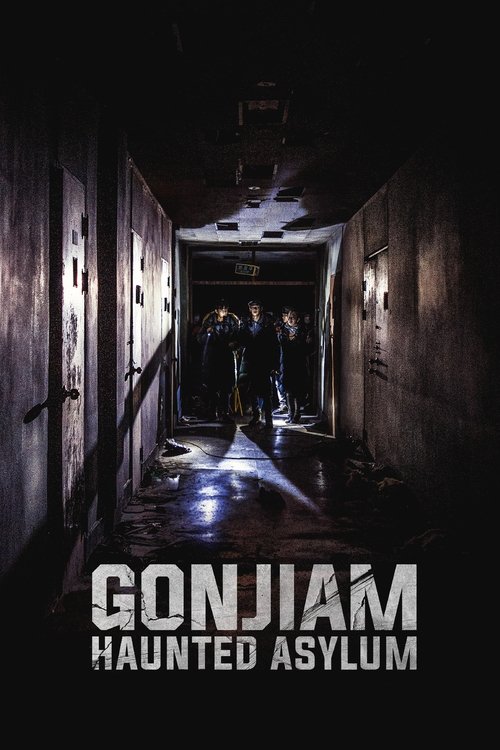
2018
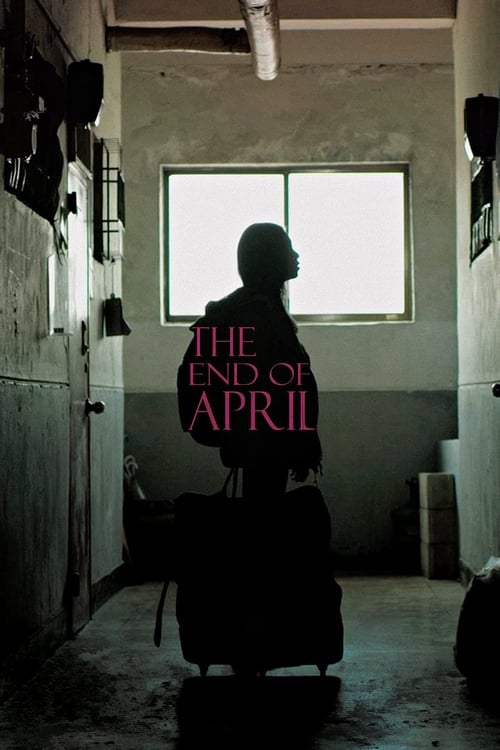
2017
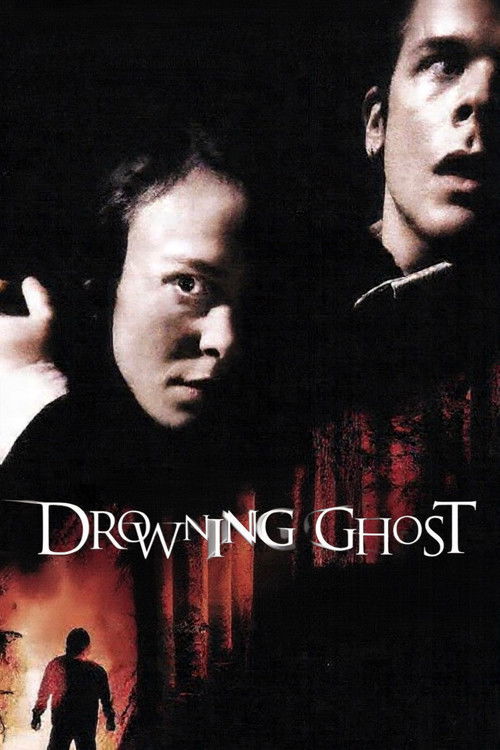
2004
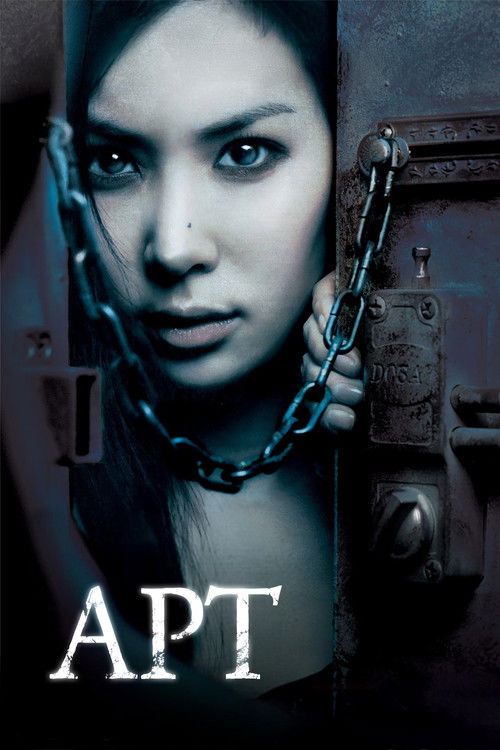
2006
2013
No reviews yet. Be the first to share your thoughts on this movie!
Use the rating form above to leave a star rating and optional review.