Low Tide
2012
No user ratings available yet
Representation score: 3.6 out of 10
Representation Score
Limited
2010
Director
Josh Broecker
Runtime
90 minutes
Average Rating
No ratings yetNew Showbiz Analysis
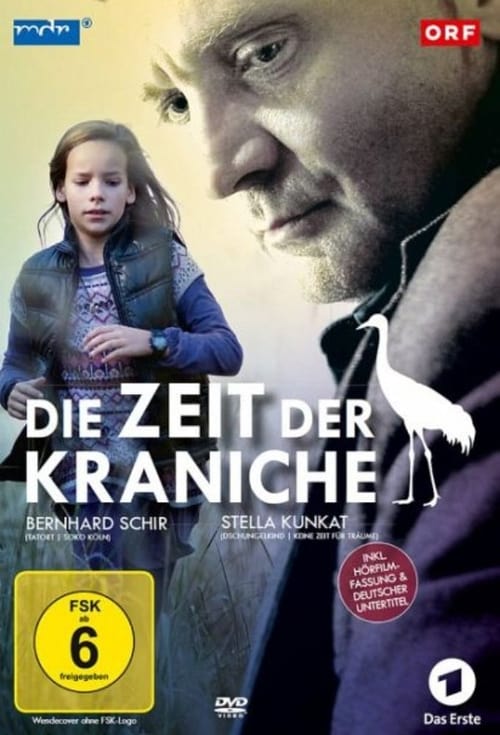
Die Zeit der Kraniche is a localized German drama centered on environmentalism and familial estrangement. It uses the isolation of the Lower Havel lowlands to explore existential loneliness and the breakdown of community structures. The film disrupts traditional clichés of paternal authority by presenting the father as a problematic figure rather than a stable leader. However, the narrative remains deeply rooted in regional realism and lacks storytelling that reflects multiple aspects of identity. Ultimately, the film lacks demographic diversity and does not intentionally deconstruct identity-based hierarchies, focusing instead on individual psychological struggles and the tension between nature and human connection.
Category Breakdown
There are no LGBTQ+ characters or narratives that question the assumption that everyone is straight or cisgender. The film focuses on the relationship between a father and daughter.
The female protagonist, Lea, drives the emotional storyline. Her father is portrayed as a source of isolation rather than a stable authority figure, challenging traditional views of fathers.
The film is set in the German Lower Havel lowlands and seems to focus on a homogeneous demographic. There is no evidence of racial diversity or non-white actors.
The story critiques social cohesion through themes of environmentalism and rural decline. It examines the failure of modern social structures and traditional institutions in a declining community.
The film does not provide any specific portrayal of physical, neurodivergent, or mental health disabilities.
Present on Screen
Limited or Absent
Official Synopsis
In the loneliness of the Lower Havel lowlands, one of the last bird paradise in Germany, twelve-year-old Lea lives alone with her father Lutz, a passionate environmentalist. She is on the cusp of adulthood, confronted with the challenges of the present and the pains of the past. She often feels lonely in the childhood-remote world in which she lives, in which schools are closed and people leave. Even the father, who has withdrawn from the world, is increasingly becoming a problem for Lea, who longs for fellowship.
2012

2010
2012
2015
2008
2008

2009
2010
No reviews yet. Be the first to share your thoughts on this movie!
Use the rating form above to leave a star rating and optional review.