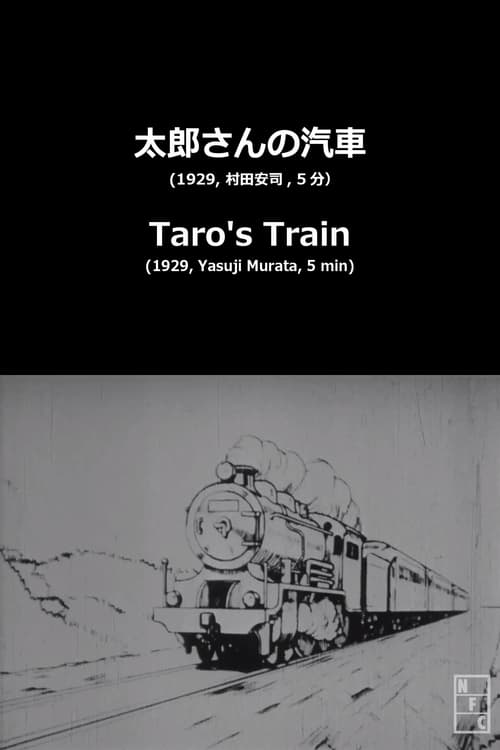
Taro's Toy Train
1929
No user ratings available yet
Diversity score: 2.5 out of 10
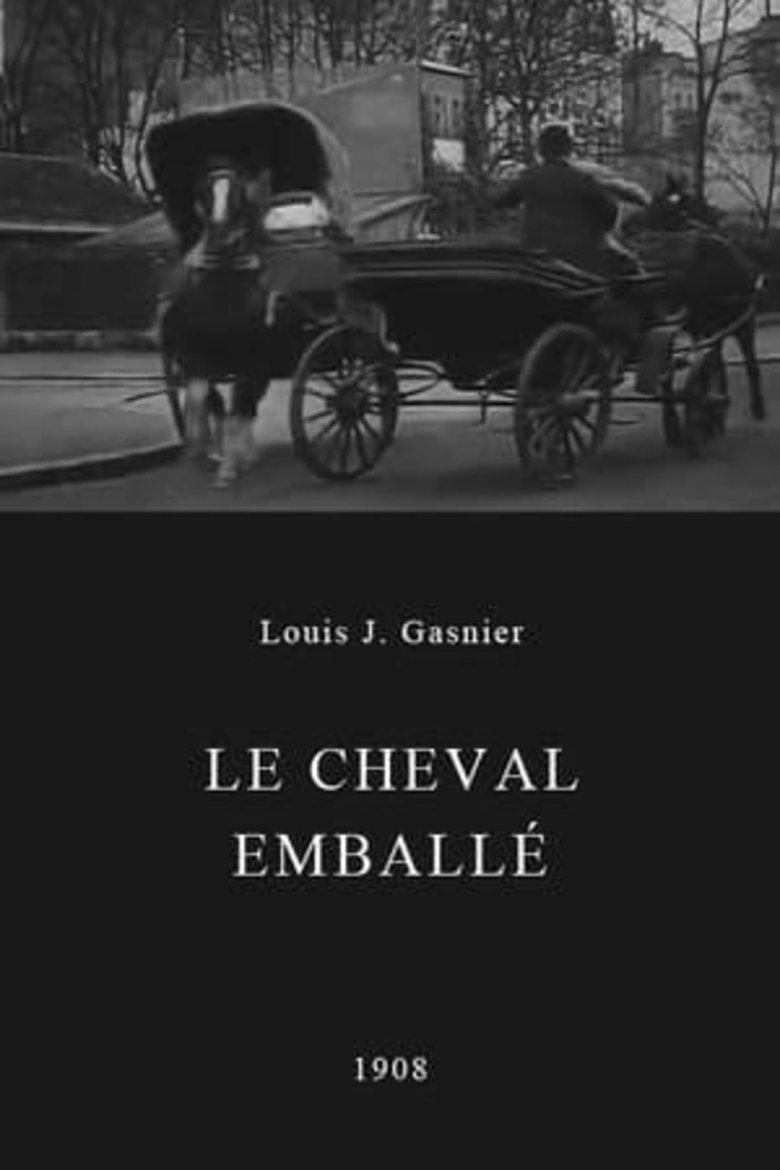
1908
Director
Louis J. Gasnier
Runtime
7 minutes
Average Rating
No ratings yetSynopsis
A laundry man parks his horse-drawn cart to make a delivery. While he is inside, his horse sees a bag of oats and starts to eat them. By the time the man comes back outside, the horse has eaten a whole bag of oats, and has so much energy that he begins to race out of control.
Overall Score
Minimal
Category Breakdown
LGBTQ+ Representation
The film contains no depictions of queer themes or non-cisnormative identities. The focus remains entirely on the physical comedy of the runaway animal.
Gender Representation
A male laundry man serves as the central figure, though his agency is lost to the horse's chaos. The film lacks female presence or subversion of gendered roles.
Racial & Ethnic Diversity
The cast reflects the homogeneous demographic norms typical of the early 1900s. There is no evidence of racial blending or non-white majority casting.
Religious & Cultural Diversity
The narrative offers a neutral, observational view of daily labor. It avoids engagement with specific religious, political, or anti-traditionalist themes.
Disability Representation
No characters are depicted with physical, sensory, or neurodivergent disabilities. The central chaos is driven by an animal rather than human impairment.
Strengths
Areas for Improvement
AI Analysis
The Runaway Horse is a foundational slapstick short that prioritizes kinetic movement and situational humor over character depth. Its narrative is driven by the physical comedy of a horse consuming oats and running amok, leaving little room for social commentary. Because the film was produced in 1908, it lacks the complexity required to engage with modern concepts of identity or systemic power dynamics. The storytelling is centered on the chaos of the animal rather than human-driven social or cultural intersectionality. Ultimately, the film serves as a period-specific artifact of early cinema. It reflects the limited casting scopes and demographic norms of the silent era, focusing on physical gags rather than the exploration of diverse human experiences.
No reviews yet. Be the first to share your thoughts on this movie!
Use the rating form above to leave a star rating and optional review.