
Lage Raho Munna Bhai
2006
No user ratings available yet
Representation score: 3.4 out of 10
Representation Score
Fair
2003
Not RatedDirector
Rajkumar Hirani
Runtime
156 minutes
Average Rating
No ratings yetNew Showbiz Analysis
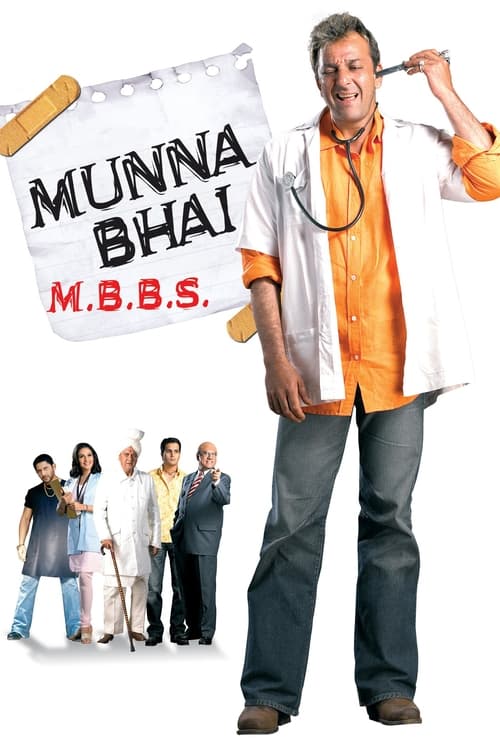
Munna Bhai M.B.B.S. succeeds as a humanistic critique of institutional rigidity. It effectively dismantles the cold, mechanical nature of modern bureaucracy by championing empathy and situational ethics over strict adherence to rules. However, the film remains socially conservative in its character archetypes. It relies on traditional romantic structures and lacks representation for LGBTQ+ identities or characters with disabilities. Ultimately, the film's strength lies in its cultural commentary on class and institutionalism, even if its social diversity remains limited to a traditional framework.
Category Breakdown
The film does not include any LGBTQ+ characters or those with non-traditional gender identities. The main romance follows a conventional relationship between two straight individuals.
Dr. Rupali is shown as a professional with significant influence in the medical setting. Female characters play important roles in the intellectual discussions, though gender dynamics remain conventional.
The story focuses on the socioeconomic differences within urban India, particularly the class divide between Mumbai's street culture and the academic middle class.
The film criticizes rigid, Westernized institutional norms by emphasizing empathy over bureaucracy. It uses the 'Jadoo Ki Jhappi' to challenge the sterile authority of the medical establishment.
Patients are portrayed as recipients of unconventional healing methods but are not given full ability to act in their own stories. They are not central to driving the plot.
Present on Screen
Limited or Absent
Official Synopsis
A gangster sets out to fulfill his father's dream of becoming a doctor.
2006
2009

2022
2013
2010
2015

2005
2012
No reviews yet. Be the first to share your thoughts on this movie!
Use the rating form above to leave a star rating and optional review.