The Damned
1947
No user ratings available yet
Diversity score: 4.3 out of 10
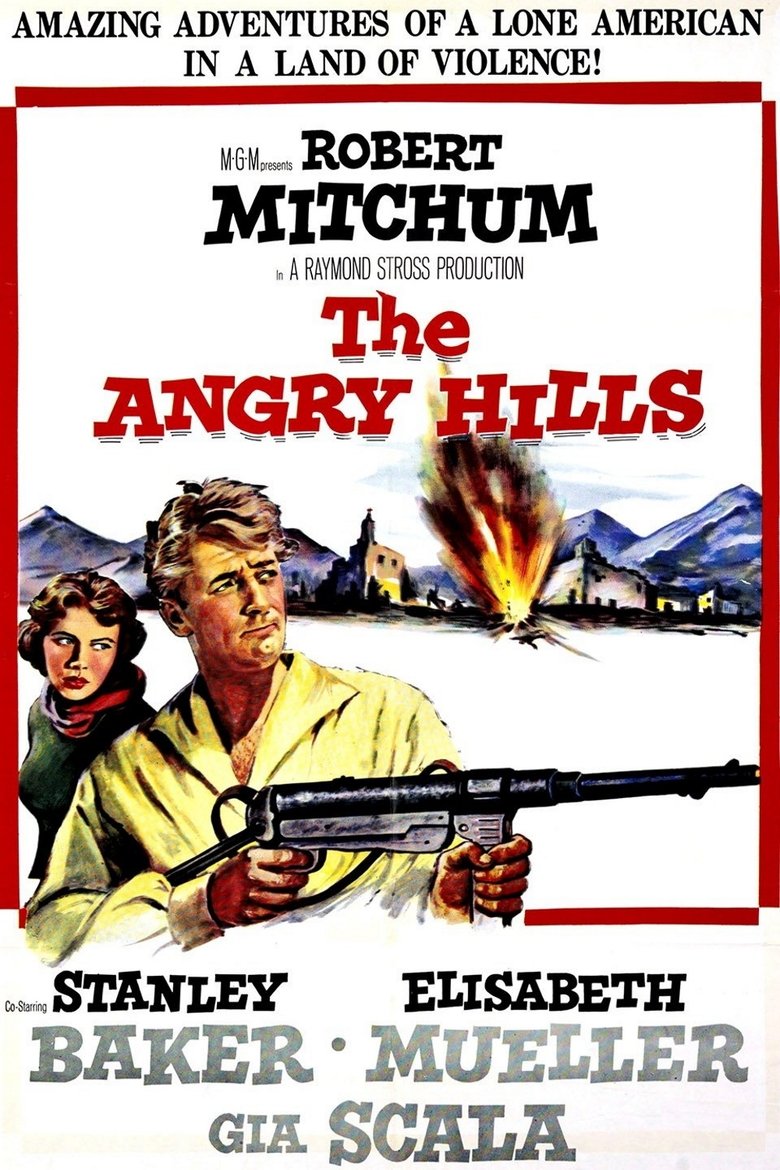
1959
Director
Robert Aldrich
Runtime
105 minutes
Average Rating
No ratings yetSynopsis
Nazis chase a U.S. newsman (Robert Mitchum) paid to smuggle names of Greek resistance leaders to London.
Overall Score
Limited
Category Breakdown
LGBTQ+ Representation
The film lacks LGBTQ+ characters or non-heteronormative identities. It adheres to mid-century cinematic standards by focusing on traditional romantic and social structures.
Gender Representation
Female characters are primarily situated in domestic or supportive roles. While they participate in the communal struggle, they lack the central agency afforded to male protagonists.
Racial & Ethnic Diversity
Casting is largely homogeneous to reflect the specific European setting. The film focuses on a localized, ethnically consistent portrayal of a Mediterranean community under occupation.
Religious & Cultural Diversity
The narrative offers a nuanced view of morality through the lens of survival. It critiques authoritarianism by framing the resistance against an occupying force.
Disability Representation
There are no prominent depictions of visible or invisible disabilities. No such traits are used as central character elements or plot devices.
Strengths
Areas for Improvement
AI Analysis
The film functions as a traditional wartime thriller, prioritizing the tension of occupation over the deconstruction of social identities. It operates within the established narrative frameworks of 1959, focusing on the mechanics of resistance. While the work avoids harmful stereotypes, it remains anchored in the era's traditional hierarchies. The representation is limited by the period's cinematic conventions, particularly regarding gender roles and ethnic homogeneity. Its strength lies in its moral complexity rather than identity politics. By exploring situational ethics and survival, the film moves beyond simple binary tropes to depict a grounded struggle for liberation.
No reviews yet. Be the first to share your thoughts on this movie!
Use the rating form above to leave a star rating and optional review.