
Parental Guidance
1997
No user ratings available yet
Representation score: 7.3 out of 10
Representation Score
Fair
2005
Director
Christian Petzold
Runtime
85 minutes
Average Rating
No ratings yetNew Showbiz Analysis
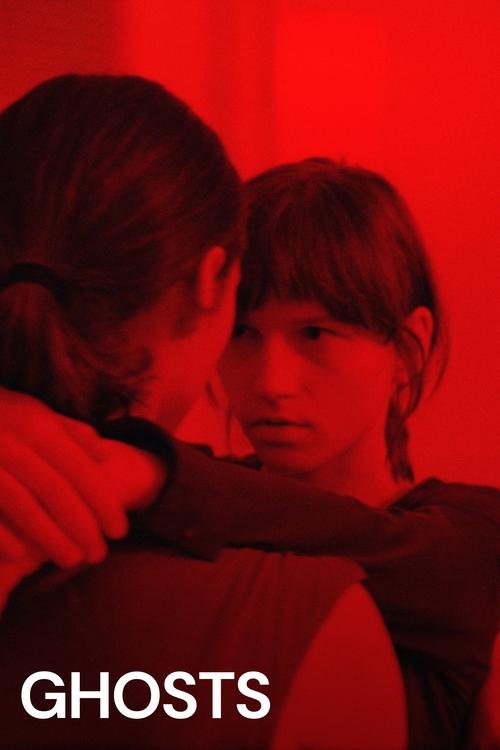
Christian Petzold’s *Ghosts* is a sophisticated drama that excels in psychological depth and the subversion of traditional character archetypes. It explores the instability of identity and the traces left by trauma. The film’s primary strength lies in its nuanced treatment of mental health and its ability to center female roles. By focusing on the internal lives of Nina and Francoise, the narrative avoids many common clichés associated with psychological struggle. However, the film’s impact is limited by a narrow demographic focus. The lack of racial and LGBTQ+ diversity keeps the overall score modest, despite its progressive postmodern narrative style.
Category Breakdown
The film centers on romantic relationships between Nina and Toni, which are assumed to be heterosexual. There is no indication of LGBTQ+ identities or queer-coded subtext within the narrative.
Female characters drive the narrative through their psychological roles and pursuit of truth. The film challenges traditional masculinity by presenting male characters as unstable and untrustworthy.
The film features a predominantly white cast set in a contemporary European context. It does not include diverse ethnic ensembles to challenge societal norms.
The story emphasizes personal truths and fragmented memories over religious or moral absolutes. It avoids promoting traditional institutional stability, presenting instead a world of fluid and unreliable identities.
Mental illness is a central theme in the film, focusing on the experiences of characters dealing with neurodivergence and psychiatric institutionalization. The film gives real power to characters navigating these challenges.
Present on Screen
Limited or Absent
Official Synopsis
Nina, a mentally ill teenage orphan, starts a new job as a garden cleaner when she meets Toni. They fall in love but soon Toni starts betraying Nina. Meanwhile, Francoise is picked up at a Berlin psychiatric hospital by her husband, Pierre. After spotting Nina, Francoise believes that she has found her kidnapped daughter Marie, but no one believes her.
1997

2007

2012
2005
2006
1995
2003
1999
No reviews yet. Be the first to share your thoughts on this movie!
Use the rating form above to leave a star rating and optional review.