
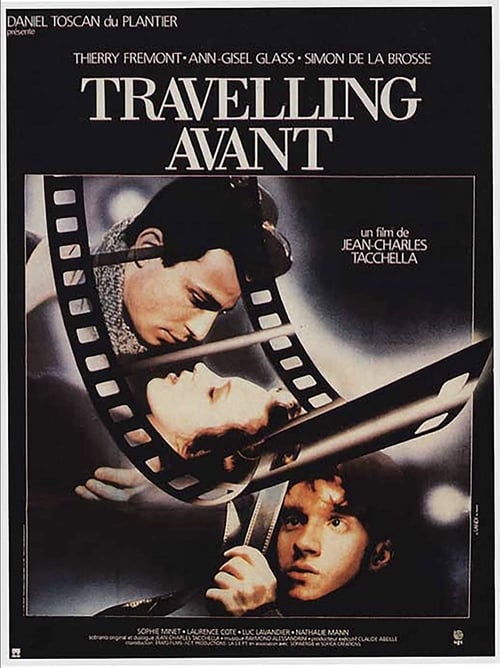
Staircase C
1985
No user ratings available yet
Representation score: 4.3 out of 10
Representation Score
Fair
1987
Director
Jean-Charles Tacchella
Runtime
114 minutes
Average Rating
No ratings yetNew Showbiz Analysis
Travelling avant is a period piece that explores generational shifts rather than contemporary identity politics. It focuses on the intersection of youth identity and the burgeoning media culture of post-war Paris. The film succeeds in portraying a grassroots, passion-led collective that challenges traditional social hierarchies. By centering a group of young cinephiles, it highlights a shift toward decentralized cultural engagement. However, the work remains limited by its historical setting and lack of explicit characters who reflect more than one aspect of diversity. It lacks visible racial diversity and queer narratives, focusing instead on the shared pursuit of cinema.
Category Breakdown
The film does not include explicit references to LGBTQ+ characters or non-straight relationships. The story focuses on a shared passion for cinema rather than challenging traditional norms.
The film features a diverse group of young characters, including Barbara, who exercise significant control over their lives through their involvement in a shared artistic project.
Set in 1948 Paris, the cast appears mostly uniform in terms of ethnicity. The film reflects the era's social constraints, showing no significant ethnic diversity among the main characters.
The story emphasizes artistic passion and community organization over institutional authority. This focus on youth culture challenges traditional social orders through a decentralized approach to art.
There is no mention of characters with visible or invisible disabilities. The narrative does not provide evidence to support a representation score in this category.
Present on Screen
Limited or Absent
Official Synopsis
Paris, October 1948. Nino, Gilles, Donald, Barbara and their friends are a new breed of spectators. They discover the cinema as art, they are moviegoers. They will try to realize their grand project: to found a film club. "My film first wants to be a testimony of young people who have lived for a passion. Cinema"
1985

1978

2018

1995

1973
1960

2005

1953
No reviews yet. Be the first to share your thoughts on this movie!
Use the rating form above to leave a star rating and optional review.