
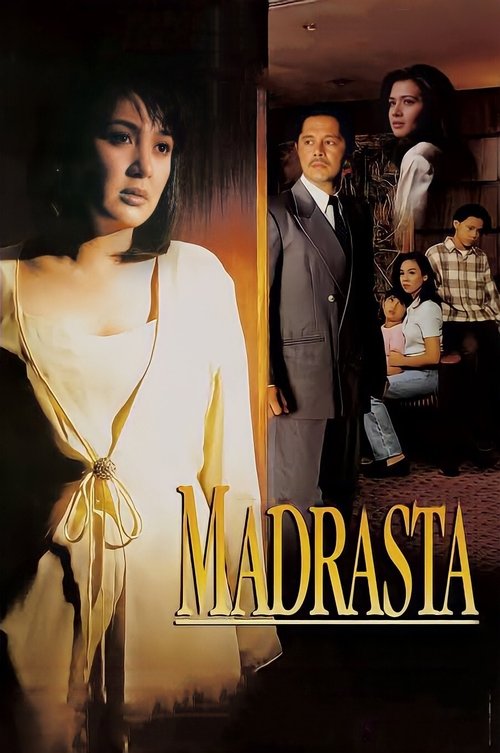
Stepmother
1958
No user ratings available yet
Representation score: 3.0 out of 10
Representation Score
Limited
1996
TV-PGDirector
Olivia M. Lamasan
Runtime
120 minutes
Average Rating
No ratings yetNew Showbiz Analysis
The film serves as a character study of domestic reconfiguration. It moves away from the cliché of the perfect nuclear family to explore the emotional labor required to sustain blended bonds. While the work lacks engagement with identity politics or radical social deconstruction, it successfully disrupts expectations of seamless family transitions. The focus remains on the negotiation of maternal authority and domestic hierarchies. Ultimately, the film provides a nuanced look at non-traditional domestic architectures through a localized, culturally specific lens.
Category Breakdown
The film focuses on a heterosexual marriage and the restructuring of a nuclear family. It does not include any non-cisgender identities or critiques of the assumption that everyone is straight.
The narrative challenges traditional gender roles by focusing on the stepmother role. It highlights the female protagonist's significant role in driving the story as she navigates and redefines her position within a male-led household.
As a Philippine production, the film offers a culturally specific lens. It centers non-Western familial structures within a localized, domestic drama framework.
The story explores the disruption of the ideal family unit through abandonment. It emphasizes the complexities of blended kinship and situational morality over systemic critiques of marriage.
There is no mention of characters navigating physical, sensory, or neurodivergent conditions within the narrative.
Present on Screen
Limited or Absent
Official Synopsis
The loving and nurturing Mariel marries Edward after his first wife abandons him and their three children. Mariel strives to win the acceptance and affection of her new stepchildren, even as she tries to define her role in the family.
1958
2013

1973
2003

2009

2010

2025

1998
No reviews yet. Be the first to share your thoughts on this movie!
Use the rating form above to leave a star rating and optional review.