Spinning Plates
2013
No user ratings available yet
Representation score: 6.7 out of 10
Representation Score
Excellent
2019
Director
Trisha Ziff
Runtime
29 minutes
Average Rating
No ratings yetNew Showbiz Analysis
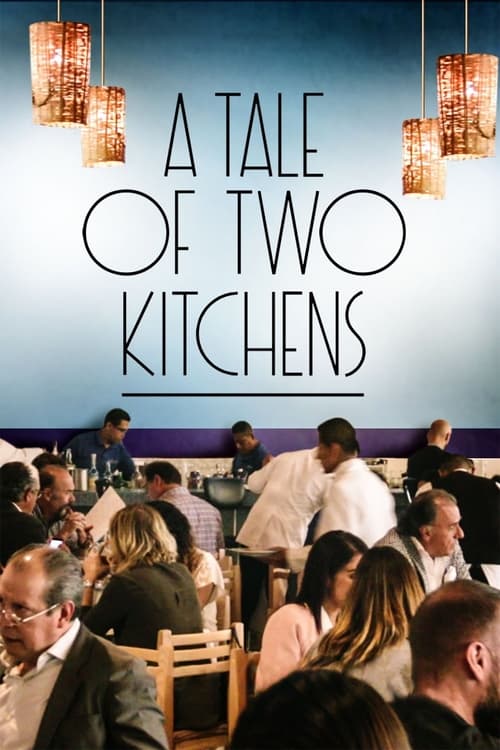
A Tale of Two Kitchens succeeds by presenting the restaurant industry as a platform for social reintegration rather than just a pursuit of culinary excellence. By focusing on Gabriela Cámara’s leadership, the film provides a strong model of female control over a traditionally male-dominated field. The documentary's greatest strength lies in its approach to workforce diversity. It highlights how professional environments can support individuals from various backgrounds, including those recovering from addiction or transitioning from the justice system. While the film excels in cultural and social representation, it lacks explicit focus on LGBTQ+ identities. However, its emphasis on restorative justice and communal dignity offers a progressive view of how professional structures can foster inclusivity.
Category Breakdown
The film does not include any explicit LGBTQ+ characters or narratives. While it showcases strong communal bonds, there is no clear representation of queer identities.
Chef Gabriela Cámara leads the narrative as a central figure. Her role challenges traditional masculine associations of culinary authority by highlighting female leadership.
The story connects Mexico City and San Francisco, emphasizing a diverse workforce. It avoids homogeneity by incorporating various cultural perspectives and backgrounds.
The film emphasizes dignity and community over profit. It reimagines the workplace as a place for social rehabilitation and transformative communal growth.
The inclusion of individuals in recovery highlights mental health and rehabilitation. It portrays these workers as capable, active participants in their environment.
Present on Screen
Limited or Absent
Official Synopsis
Two countries, two restaurants, one vision. At Gabriela Cámara's acclaimed Contramar in Mexico City, the welcoming, uniformed waiters are as beloved by diners as the menu featuring fresh, local seafood caught within 24 hours. The entire staff sees themselves as part of an extended family. Meanwhile at Cala in San Francisco, Cámara hires staff from different backgrounds and cultures, including ex-felons and ex-addicts, who view the work as an important opportunity to grow as individuals. A Tale of Two Kitchens explores the ways in which a restaurant can serve as a place of both dignity and community.
2013

2000

2016

2011

2017
2014
2022

2018
No reviews yet. Be the first to share your thoughts on this movie!
Use the rating form above to leave a star rating and optional review.