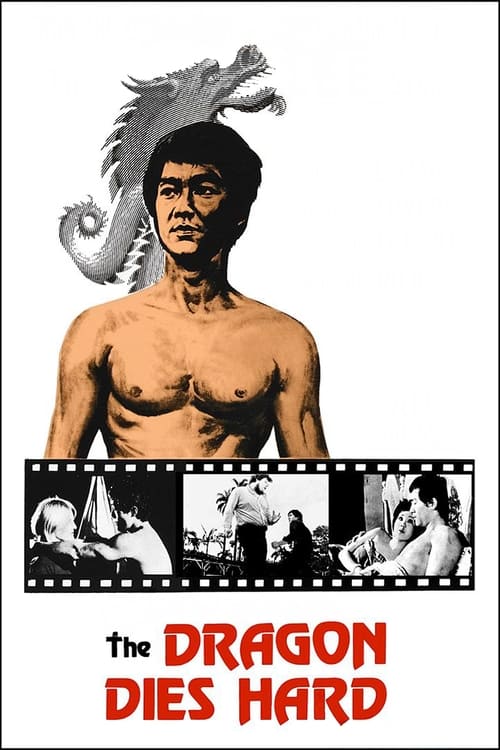
The Dragon Dies Hard
1975
No user ratings available yet
Representation score: 4.8 out of 10
Representation Score
Minimal
1978
Not RatedDirector
Chen Hsin-I
Runtime
81 minutes
Average Rating
No ratings yetNew Showbiz Analysis
This film is an action-oriented piece that builds on the legacy of Bruce Lee. It emphasizes physical action and martial arts clichés over deeper social themes. The narrative leans heavily on established archetypes, such as the masculine hero and the female character as a source of conflict. This approach upholds traditional gender roles rather than questioning them. While the film maintains a specific East Asian cultural identity, it lacks depth in exploring multiple layers of diversity. The focus remains on individual combat and personal justice within a straightforward hero-villain dynamic.
Category Breakdown
The film focuses on a traditional heterosexual relationship between Hsao Lung and Alice. There are no representations of same-sex relationships or non-binary gender identities.
Alice is mainly used as a plot device and a character in need of rescue. The story reinforces traditional gender roles and the 'damsel in distress' stereotype.
The cast is primarily East Asian, highlighting a specific cultural identity. While it avoids Western dominance, it does not explore diverse ethnic blends.
The story revolves around personal revenge and martial arts skills. It adheres to a simple good-versus-evil structure without addressing broader societal issues.
The film does not feature any characters with visible or invisible disabilities. Neither neurodivergence nor physical impairments are part of the storyline.
Present on Screen
Limited or Absent
Official Synopsis
The film begins with footage of Bruce Lee's funeral. The narrator then says that there is a new actor "who looks quite like him" that will become Lee's successor. His name is Hsao Lung. Later Hsao Lung is filming a movie. On the set, he is approached by a group of gangsters, led by a man named George, who want to control Hsao Lung. Hsao Lung declines, so they go after his girlfriend Alice, forcing her poison Hsao. During sex, the poison takes action and Hsao supposedly dies. Hsao fakes his death and pretends to be a chef so that he can watch over Alice. Alice is kidnapped by the gangsters, so Hsao starts looking for her and goes to a shipyard. There he fights off 4 motorcycle-riding gangsters that are wearing multi-colored tracksuits, one of them being the iconic green and black one from Game of Death. He defeats them and goes to the tower of death.
1975
1978
1976
1980
1981
1973
1978
1977
No reviews yet. Be the first to share your thoughts on this movie!
Use the rating form above to leave a star rating and optional review.