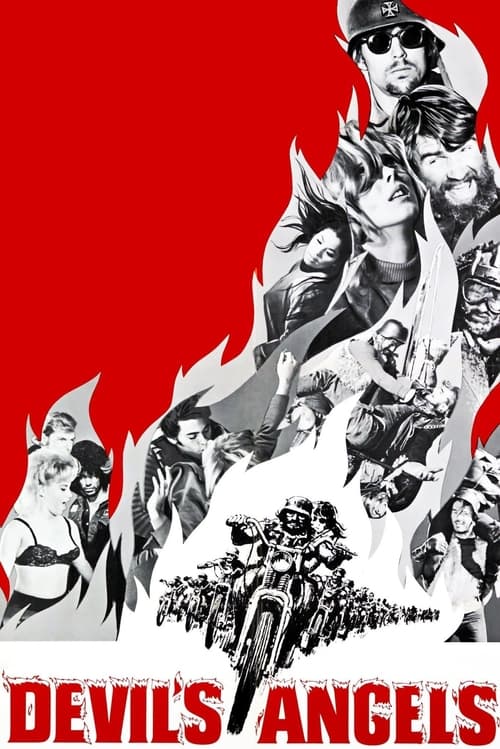
Devil's Angels
1967
No user ratings available yet
Representation score: 5.4 out of 10
Representation Score
Limited
1968
RDirector
Bruce Kessler
Runtime
86 minutes
Average Rating
No ratings yetNew Showbiz Analysis
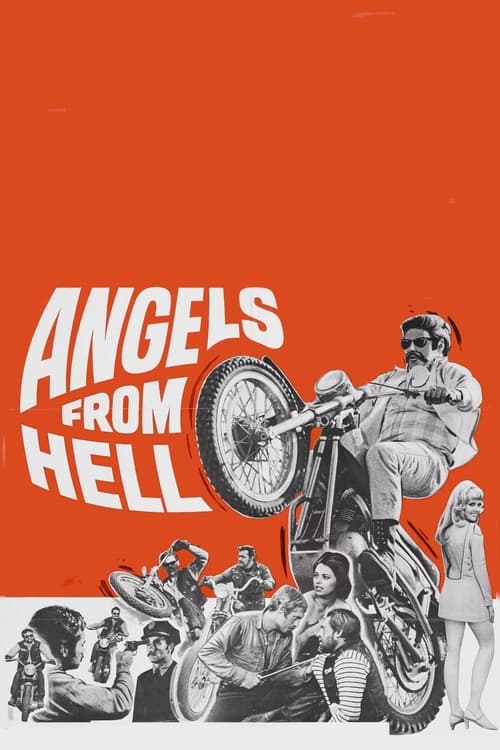
Angels from Hell explores the tension between countercultural rebels and state institutions during a specific era. While it effectively captures the anti-authoritarian spirit of the time, it remains limited in its social scope. The focus on hyper-masculinity and male-centric conflict sidelines women and queer identities, reducing them to peripheral roles or mere catalysts for violence. Ultimately, the film lacks the multi-layered depth necessary for a broader representation of diverse experiences.
Category Breakdown
The film focuses on a hyper-masculine biker subculture where there is no evidence of queer identities or LGBTQ+ character development.
Male characters dominate the narrative, with female characters appearing mainly as plot devices to trigger violence rather than as independent actors.
The film likely reflects the era's tendency towards homogeneous casting, with no explicit evidence of a diverse cast or multi-layered depth in the biker gang.
The story challenges institutional respect by framing a war between law enforcement and countercultural rebels, offering a cynical view of patriotism and state authority.
The narrative contains no mention of characters navigating physical or neurodivergent disabilities.
Present on Screen
Limited or Absent
Official Synopsis
Mike, a biker, returns to California after serving in Vietnam. He uses his war-hero experience to organize a new, united super outlaw gang. When one member is shot by police because he killed a girl at a pot orgy, an all-out cop vs. biker war results.
1967

1972
1971
1953
1971

1976
1970
1966
No reviews yet. Be the first to share your thoughts on this movie!
Use the rating form above to leave a star rating and optional review.