Jeanne Dielman, 23, quai du Commerce, 1080 Bruxelles
1976
No user ratings available yet
Representation score: 5.5 out of 10
Representation Score
Fair
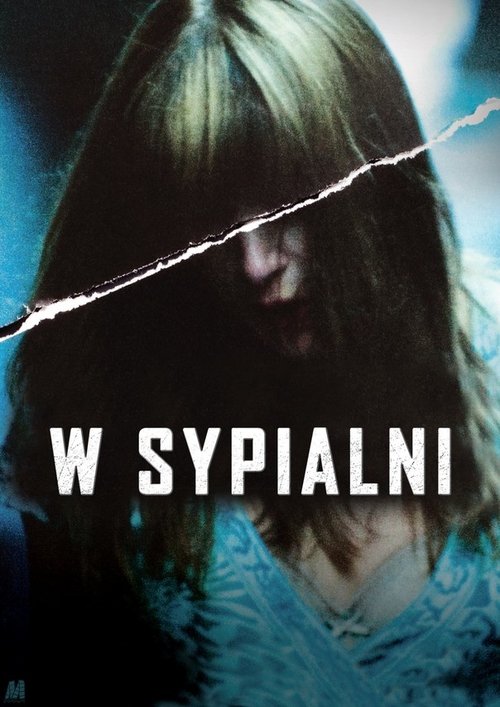
2012
Director
Tomasz Wasilewski
Runtime
74 minutes
Average Rating
No ratings yetNew Showbiz Analysis
Tomasz Wasilewski’s character study shines through its sophisticated exploration of queer identity and the subversion of traditional masculine archetypes. By focusing on non-straight experiences, the film moves beyond simple inclusion to make these perspectives central to the narrative. However, the film is confined by its specific cultural and geographic context. As a Polish independent production, it lacks racial and ethnic diversity, reflecting a relatively homogeneous European setting. Ultimately, the work’s progressive value is enhanced by its deep exploration of character's ability to drive the story and psychological introspection, despite its narrow demographic focus.
Category Breakdown
The film focuses on queer identity and explores homoerotic tension as key themes. It uses fragmented memories to provide a nuanced look at sexual awakening and identity development.
The story challenges traditional gender roles by highlighting male vulnerability and emotional sensitivity. It delves into the complex inner lives of men that are often overlooked.
The cast and setting reflect a homogeneous Polish community with no indication of diverse ethnic backgrounds or color-blind casting.
The film adopts a secular perspective, focusing on individual psychological experiences rather than religious frameworks. It emphasizes personal subjectivity over collective values.
The film centers on psychological and identity-based struggles. There is no significant depiction of visible or invisible disabilities.
Present on Screen
Limited or Absent
Official Synopsis
Edyta is forty and in the midst of a crisis. She has left her family, her husband and son and their house on the Baltic Sea behind her. She spends her nights in a Warsaw hotel room and her days driving around the unfamiliar city. When she runs out of cash, she hatches a plan: An ad in the newspaper – sex for money. Edyta never lets things get that far though, as she drugs her clients and then uses their apartments as a refuge for the night. Then she meets an artist, Patryk. A smidgen of luck and Edyta can no longer maintain her dismissive attitude. In this enthralling character study, Tomasz Wasilewski uses filmic minimalism to ensure that glances and gestures say more than words. He portrays a lonely woman in both fragility and strength, using precise image composition.
1976
2009
2017

1995

2018

2014

2014
2008
No reviews yet. Be the first to share your thoughts on this movie!
Use the rating form above to leave a star rating and optional review.