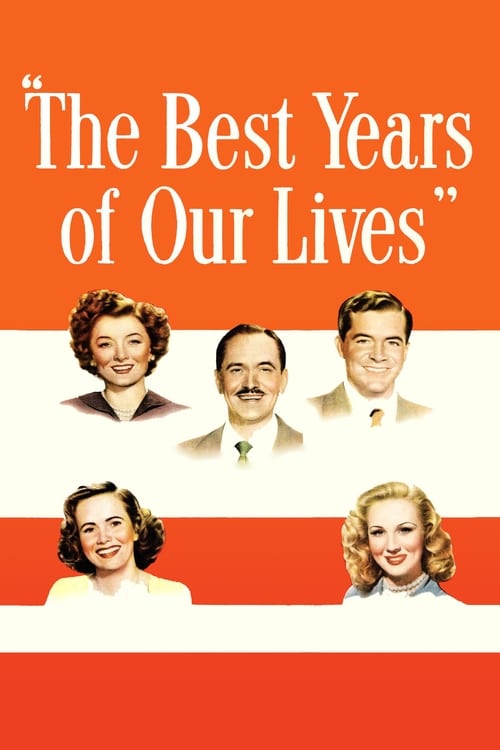
The Best Years of Our Lives
1946
No user ratings available yet
Representation score: 4.3 out of 10

Representation Score
Limited
1937
ApprovedDirector
James Whale
Runtime
100 minutes
Average Rating
No ratings yetNew Showbiz Analysis
James Whale's direction offers a sophisticated critique of the collapsing social order in post-WWI Germany. The film prioritizes sociological observation and the deconstruction of institutional stability over broad demographic representation. While it lacks diversity in race and gender, it challenges the sanctity of the state and explores the psychological fragmentation of individuals during systemic collapse.
Category Breakdown
The film focuses solely on heterosexual and cisgender soldiers, with no representation of LGBTQ+ identities or queer subtext.
Women are portrayed mainly as supportive figures reacting to male trauma, with their ability to act being secondary to the male veterans' experiences.
The cast is ethnically uniform, reflecting the historical context of post-WWI Germany without incorporating diverse or color-blind casting practices.
The film effectively critiques traditional Western institutions and political authority, framing the veteran experience through a lens of systemic disillusionment and institutional failure.
The narrative explores psychological trauma and shell shock in a nuanced manner, integrating these invisible disabilities into the core character development.
Present on Screen
Limited or Absent
Official Synopsis
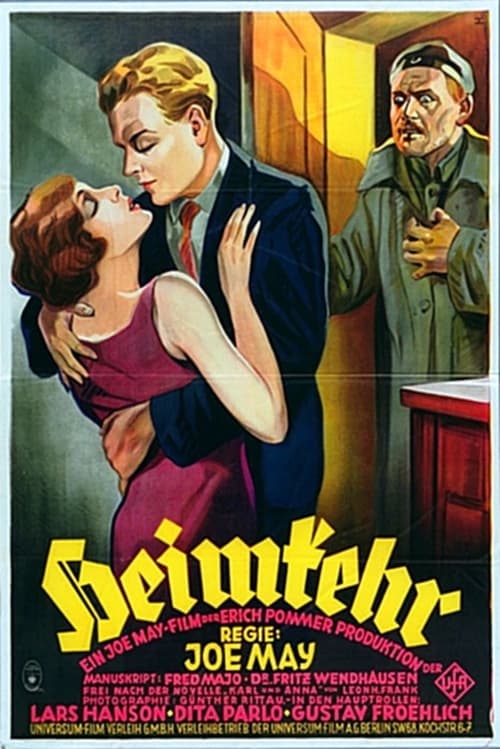
At the end of the Great War, German soldiers return home to find the social fabric and civil order disintegrating as communist gangs roam the streets, and food and jobs become scarce. Riots and massacres lead the erstwhile average men to become cynical and desperate.
1946
1958

1949

1940

1973

1939
1928
1940
No reviews yet. Be the first to share your thoughts on this movie!
Use the rating form above to leave a star rating and optional review.