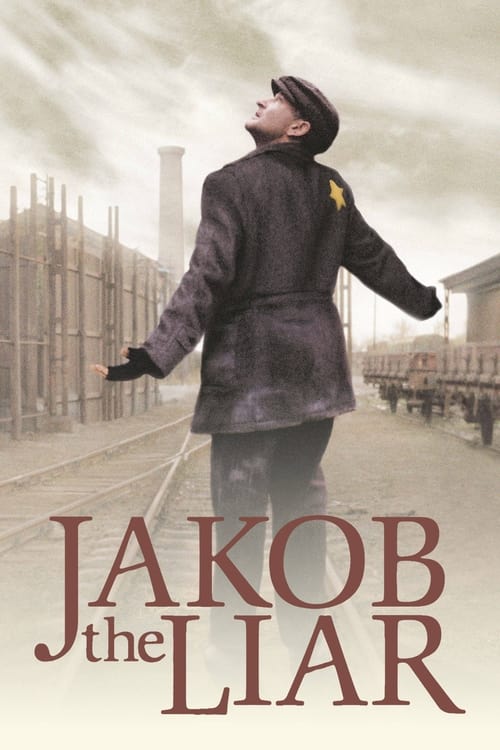
Jacob the Liar
1974
No user ratings available yet
Representation score: 3.6 out of 10
Representation Score
Excellent
2018
Director
Radu Jude
Runtime
138 minutes
Average Rating
No ratings yetNew Showbiz Analysis
Radu Jude’s film is a subversive, meta-textual critique of national mythology. It uses a rehearsal setting to deconstruct historical erasures, specifically targeting the whitewashing of Romanian history and the mechanics of systemic oppression. The work prioritizes the interrogation of ethnic identity and the corruption of moral institutions over conventional character clichés. While it lacks focus on LGBTQ+ or disability representation, its engagement with historical trauma is profound. Ultimately, the film functions as a sophisticated tool for examining how situational ethics allow for systemic violence, making it a challenging piece of progressive cinema.
Category Breakdown
The film focuses on ethnic and political identity rather than sexual orientation. There are no documented LGBTQ+ characters or narratives that challenge the assumption that everyone is straight or cisgender.
Female actors play roles that involve the intellectual deconstruction of violent historical scripts, shifting focus away from traditional domestic archetypes. However, the narrative remains centered on socio-political dynamics.
The film excels by interrogating the historical erasure of Jewish populations. It forces a confrontation with antisemitism and the complicity of the majority through its meta-cinematic approach.
The narrative critiques traditional nationalist institutions and the moral frameworks of fascism. It explores how situational ethics and the breakdown of social cohesion lead to systemic atrocities.
There is no prominent focus on visible or invisible disabilities. The film's preoccupation with ethnic and political trauma leaves little room for these narrative drivers.
Present on Screen
Limited or Absent
Official Synopsis
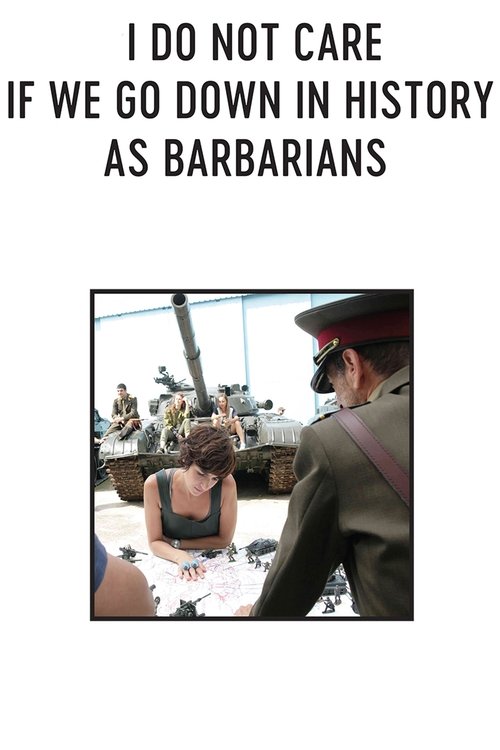
"I do not care if we go down in history as barbarians." These words, spoken in the Council of Ministers of the summer of 1941, started the ethnic cleansing on the Eastern Front. The film attempts to comment on this statement.
1974
2022

2017
1998
2018
2014
2021
1999
No reviews yet. Be the first to share your thoughts on this movie!
Use the rating form above to leave a star rating and optional review.