The Ladykillers
2004
No user ratings available yet
Representation score: 4.1 out of 10
Representation Score
Fair
2009
RDirector
Tim Blake Nelson
Runtime
104 minutes
Average Rating
No ratings yetNew Showbiz Analysis
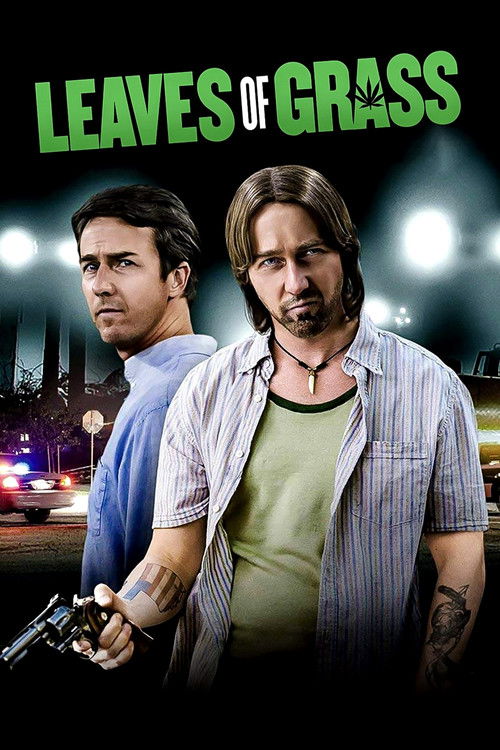
Leaves of Grass is a focused character study that emphasizes psychological depth over broad demographic representation. It excels in examining mental instability and questioning institutional authority. However, the film operates within a narrow social context. The absence of diverse racial backgrounds and strong female roles creates a limited perspective, making the world feel predominantly male-centric. Ultimately, the film's strength lies in its intellectual critique of religious and clinical structures, which compensates for its lack of traditional identity-based diversity.
Category Breakdown
The film doesn't focus on LGBTQ+ identities or same-sex relationships. Instead, it centers on the psychological tension between the main character and his patients.
The story revolves around a male-dominated power structure. There's a lack of strong female roles or diverse gender perspectives, limiting the complexity of gender dynamics.
The cast and setting don't emphasize non-white characters. The story doesn't explore diverse racial backgrounds or challenge historical norms.
The film offers a sophisticated critique of religious beliefs by presenting divine revelation as a symptom of mental illness. It effectively questions traditional institutions.
The film provides a detailed exploration of neurodivergence and serious mental health issues. It focuses on the experience of psychosis as a central theme.
Present on Screen
Limited or Absent
Official Synopsis
An Ivy League professor returns home, where his pot-growing twin brother has concocted a plan to take down a local drug lord.
2004
1989

2015

2000
1999
2000

2001

2000
No reviews yet. Be the first to share your thoughts on this movie!
Use the rating form above to leave a star rating and optional review.