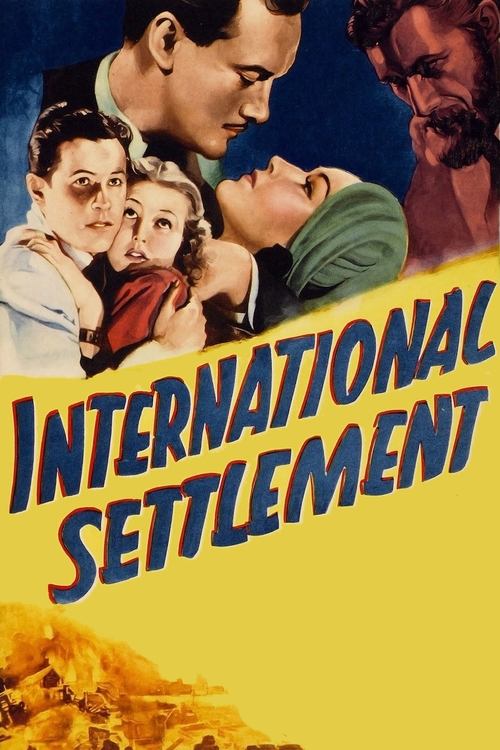
International Settlement
1938
No user ratings available yet
Representation score: 1.0 out of 10

Representation Score
Minimal
1938
ApprovedDirector
Jack Conway
Runtime
107 minutes
Average Rating
No ratings yetNew Showbiz Analysis
Jack Conway’s film is a typical product of the MGM studio system, emphasizing polished, escapist entertainment over social critique. While the screwball comedy format offers the female lead a degree of wit and independence, the film remains firmly anchored in the traditional hierarchies of the time. The production lacks complexity in its portrayal of diverse identities, focusing instead on Western-centric perspectives and homogeneous casting. Global settings serve primarily as exotic backdrops rather than meaningful explorations of different cultures or identities. Ultimately, the film adheres to a conventional framework, reinforcing traditional romantic resolutions and Western social norms, without challenging the status quo of 1938 cinema.
Category Breakdown
The film centers on a heterosexual relationship without any representation of LGBTQ+ identities or same-sex intimacy.
Alma Harding's character displays independence through her role in the screwball comedy, but her actions are ultimately tied to the romantic pursuit of the male lead.
Despite being set in Shanghai and South America, the cast remains predominantly white, with the exotic locales serving merely as scenic backdrops rather than opportunities for diverse representation.
The film highlights Western escapism and high-society ideals, reinforcing the traditional social structures and romantic conventions of the 1930s.
There are no depictions of physical or neurodivergent disabilities in the film, with characters conforming to the idealized physical standards of Golden Age Hollywood.
Present on Screen
Limited or Absent
Official Synopsis
While in Shanghai reporting on the Sino-Japanese war, Chris Hunter, a shrewd news reporter, meets pilot Alma Harding. She does not trust him, but he manages to hire her as his assistant. During an adventurous expedition through the jungles of South America, her opinion of him begins to change.
1938

1932
1957

1939

1939

1932

1953

1930
No reviews yet. Be the first to share your thoughts on this movie!
Use the rating form above to leave a star rating and optional review.