Father Goose
1964
No user ratings available yet
Representation score: 2.2 out of 10
Representation Score
Minimal
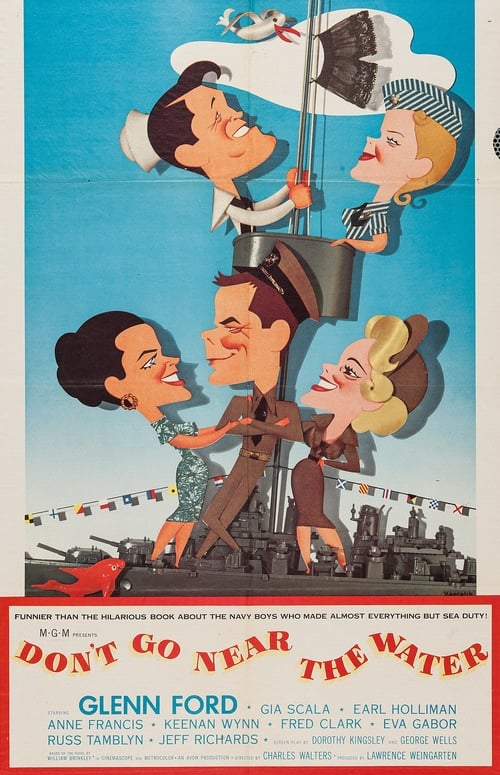
1957
ApprovedDirector
Charles Walters
Runtime
107 minutes
Average Rating
No ratings yetNew Showbiz Analysis
Don't Go Near the Water is a classic product of the mid-century studio system. It prioritizes escapism and traditional romantic archetypes over any form of social critique or complexity. The film's narrative structure reinforces the social and cultural norms of the 1950s. It opts for a straightforward, traditional approach to comedy and romance, avoiding multi-layered complexity. Ultimately, the film reflects the era's social constraints, maintaining a homogeneous representation that avoids challenging the status quo of the time.
Category Breakdown
The film focuses solely on heterosexual relationships and does not include any characters with non-binary gender identities or same-sex relationships.
Female characters have strong screen presence and comedic timing. However, the story primarily revolves around male-driven plot progression and traditional romantic pursuits.
The cast is predominantly white despite the South Pacific setting. Non-white characters lack significant depth or ability to act within the colonial-era context.
The story highlights patriotic wartime sentiment and conventional Western values. It serves as a light-hearted escape that upholds mid-century American social norms.
Characters are portrayed through able-bodied comedic roles. There is no meaningful engagement with neurodivergence, physical disabilities, or chronic illnesses.
Present on Screen
Limited or Absent
Official Synopsis
Madison Avenue-trained Navy men handle public relations on a South Pacific island during World War II.
1964
1959

1952

1971
1962
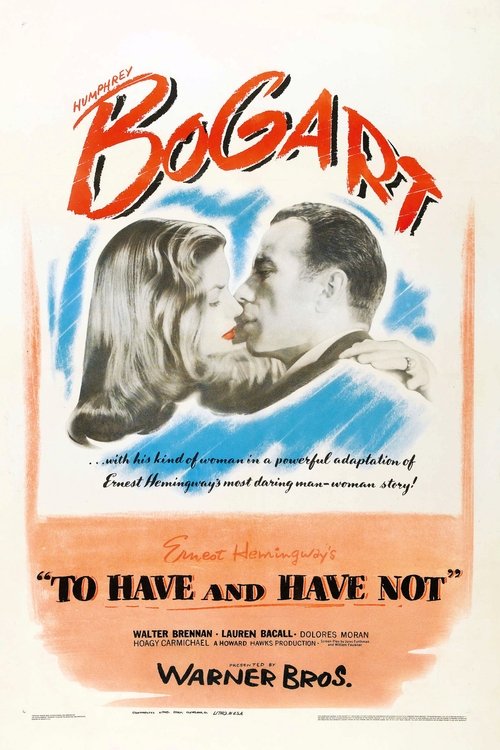
1945
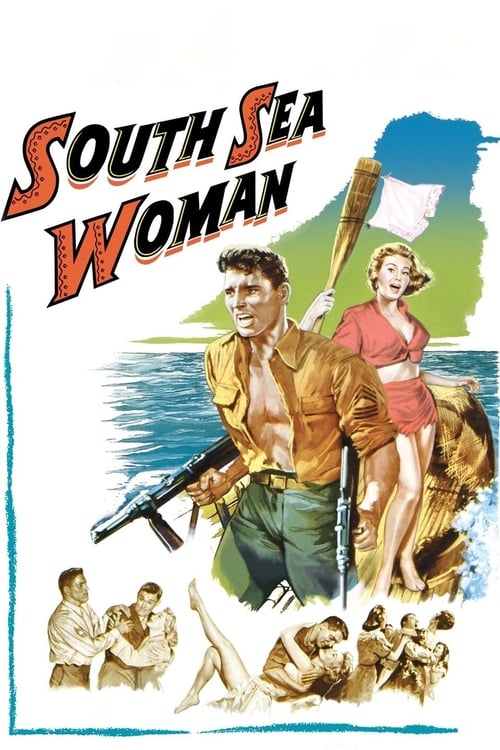
1953
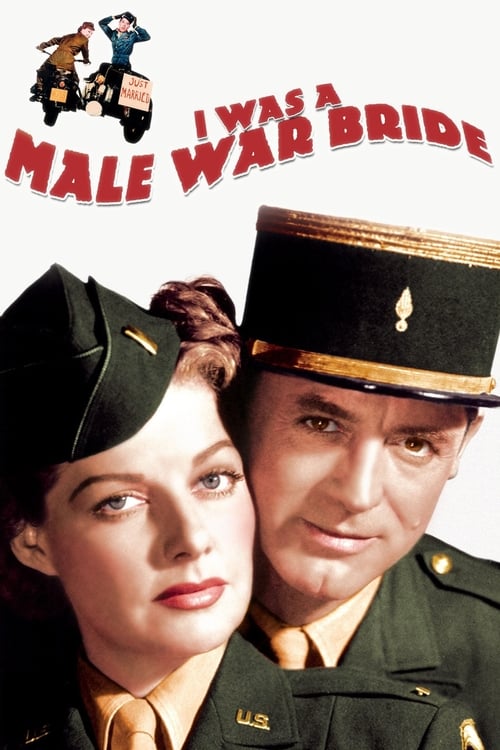
1949
No reviews yet. Be the first to share your thoughts on this movie!
Use the rating form above to leave a star rating and optional review.