Rain of Light
2001
No user ratings available yet
Representation score: 4.7 out of 10
Representation Score
Fair
2007
Not RatedDirector
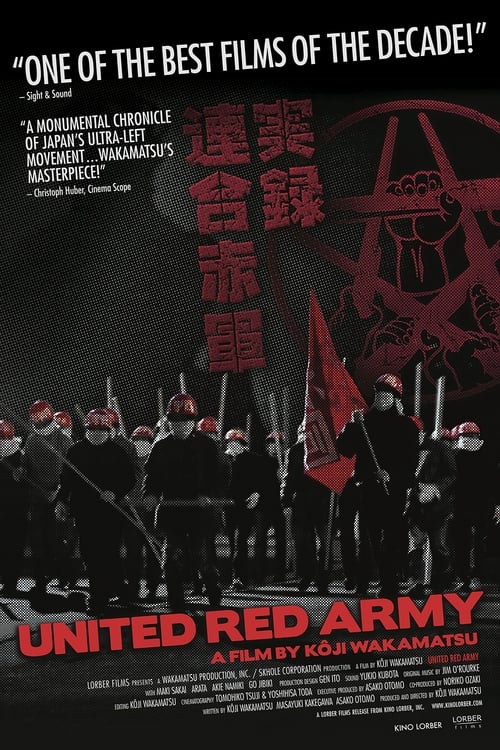
Kōji Wakamatsu
Runtime
190 minutes
Average Rating
No ratings yetNew Showbiz Analysis
United Red Army is a historical docudrama that prioritizes ideological critique over broad demographic representation. It excels in presenting a radical subversion of state authority and traditional social norms, providing a deep look into anti-capitalist sentiments. However, the film lacks representation in most modern diversity metrics. Its focus on a specific Japanese political movement results in limited racial and LGBTQ+ diversity, and it does not address disability issues. Ultimately, the film's value lies in its cultural deconstruction rather than its inclusive casting, making it a niche study of internal national identity and militant collectivism.
Category Breakdown
The film focuses on ideological and paramilitary structures without depicting any LGBTQ+ characters or stories about non-straight relationships.
Women are shown as active, militant participants rather than domestic figures. While leadership roles are often held by men, the film gives women a significant role in the revolutionary struggle.
The film is set in Japan and features a predominantly Japanese cast, reflecting the specific context of the 1970s student movements.
The film offers a critical look at capitalist structures and the post-war Japanese state. Traditional institutions are portrayed as oppressive forces that the protagonists aim to dismantle.
The film does not focus on visible or invisible disabilities. The struggles are framed through psychological radicalization rather than the experiences of neurodivergent or physically disabled individuals.
Present on Screen
Limited or Absent
Official Synopsis
Two of the most radical student groups form the United Red Army (URA) and head into the mountains to conduct a training camp. Ideology devolves into despotism, and the URA's leaders begin to arbitrarily persecute their followers, a harrowing ordeal that culminates in violence and murder.
2001

2008

1990

2004
2019

2012
1970

1989
No reviews yet. Be the first to share your thoughts on this movie!
Use the rating form above to leave a star rating and optional review.