Rhino Season
2012
No user ratings available yet
Representation score: 5.9 out of 10
Representation Score
Fair
2019
Director
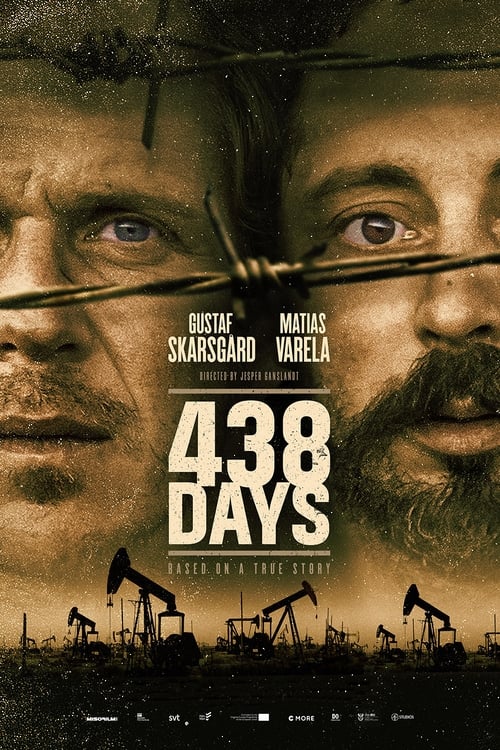
Jesper Ganslandt
Runtime
124 minutes
Average Rating
No ratings yetNew Showbiz Analysis
438 Days is a gritty, realist drama that prioritizes the visceral experience of political instability. It succeeds as a sophisticated critique of global power structures, specifically the friction between individual ability to act and systemic corruption. By focusing on the Ogaden region and the Ethiopian prison system, the film disrupts traditional hero clichés and highlights the exploitation driven by resource extraction. However, the film remains limited by a heavily male-dominated cast. While this reflects historical accuracy, the lack of women's ability to drive the story and the absence of LGBTQ+ narratives result in a narrow demographic scope.
Category Breakdown
The film does not include any LGBTQ+ characters or narratives. The story focuses solely on the geopolitical and psychological survival of the protagonists within a restrictive sociopolitical environment.
The narrative centers on male protagonists, reflecting the historical reality of the journalists. While it avoids promoting gender hierarchies, it lacks significant women's ability to drive the story in the primary conflict.
The film provides meaningful representation by centering the intersection of Western individuals and East African landscapes. It portrays local populations and systemic forces as active participants rather than mere backdrops.
The film effectively critiques state-run institutions and global power dynamics. It frames the struggle for truth against resource extraction, deconstructing institutional legitimacy through the depiction of a corrupt judicial process.
The film explores the psychological impact of isolation and physical trauma. These elements are treated as consequences of captivity rather than central identities or tools for inspiration.
Present on Screen
Limited or Absent
Official Synopsis
On the eve of June 28th, 2011 Swedish journalists Martin Schibbye and Johan Persson put everything at stake by illegally crossing the border from Somalia into Ethiopia. After months of research, planning and failed attempts, they were finally on their way to report on how the ruthless hunt for oil effected the population of the isolated and conflict-ridden Ogaden region. Five days later they lay wounded in the desert sand, shot and captured by the Ethiopian army. But when their initial reportage died, another story began. A story about lawlessness, propaganda and global politics. After a Kafkaesque trial they were sentenced to eleven years in prison for terrorism. And they were far from alone. Their cellmates were journalists, writers and politicians persecuted for not bowing down to dictatorship. Their reportage about oil was transformed into a story about ink, and their daily lives turned into a fight for survival inside the notorious Kality prison in Addis Ababa.
2012

2011
2009
2020
2009
2020
2016
2006
No reviews yet. Be the first to share your thoughts on this movie!
Use the rating form above to leave a star rating and optional review.