Moose the Movie
2015
No user ratings available yet
Representation score: 3.4 out of 10
Representation Score
Limited
2007
Director
Mary Walsh
Runtime
89 minutes
Average Rating
No ratings yetNew Showbiz Analysis
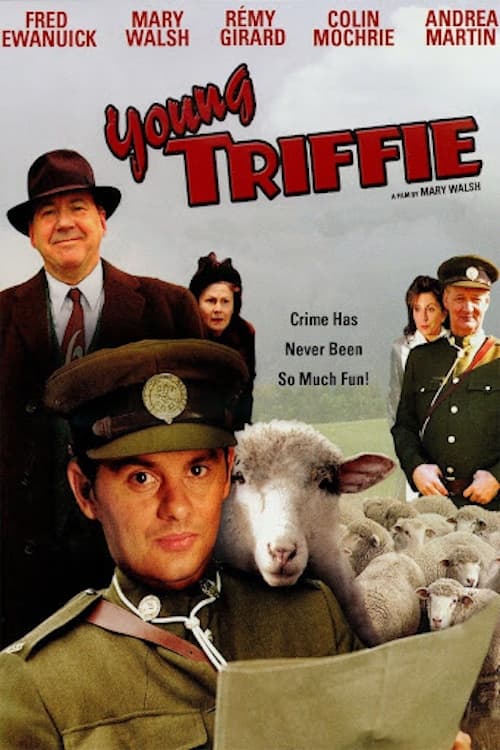
The film serves as a regional character comedy that leans heavily into the historical and demographic realities of 1947 Newfoundland. While it challenges the cliché of the competent investigator through its flawed protagonist, it does not actively challenge broader systemic power structures. Representation is limited by the setting's inherent homogeneity. The narrative relies on established social hierarchies, particularly regarding gender and disability, which may reinforce traditional clichés rather than subverting them. Ultimately, the work prioritizes regional specificity and situational humor over nuanced portrayals of diversity or the intentional disruption of social norms.
Category Breakdown
The film does not include any LGBTQ+ characters or stories focusing on non-cisgender identities. The narrative centers on a traditional mid-century criminal investigation.
The power dynamics in the film revolve around male-dominated institutional structures within the ranger service. The female victim is portrayed through clichés of vulnerability and mental slowness.
Set in 1947 Newfoundland, the film reflects the ethnic homogeneity of the time. The narrative seems to focus on a localized, Anglo-centric community.
The film explores Newfoundland's regional subculture and internal social hierarchies. It prioritizes the local atmosphere and community-based storytelling over deconstructing Western institutions.
The character Tryphenia is described as mentally slow. This portrayal risks using cognitive disability as a mere plot catalyst rather than a nuanced character study.
Present on Screen
Limited or Absent
Official Synopsis
In 1947 Whitbourne, Newfoundland, Alan Hepditch, a by-the-books but squeamish and somewhat dimwitted criminologist is constantly being tormented by his fellow ranger candidates and his sergeant, Bill O'Mara. Before Hepditch can quit, O'Mara, as a sort of punishment, assigns him to his first posting at Swyer's Harbour, where five sheep mutilations have taken place over the past year. When he arrives in Swyer's Harbour, Hepditch has a more serious crime to investigate, that of the murder of a local, mentally slow woman named Tryphenia Maud Pottle, better known to the locals as Young Triffie.
2015

2014

2016
2018
1991
2017
2023

2009
No reviews yet. Be the first to share your thoughts on this movie!
Use the rating form above to leave a star rating and optional review.