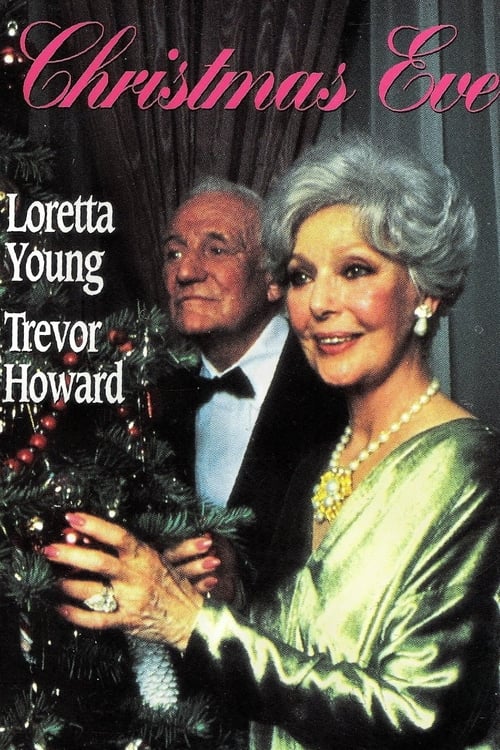
Christmas Eve
1986
No user ratings available yet
Representation score: 4.3 out of 10

Representation Score
Limited
1987
Director
Will Mackenzie
Runtime
100 minutes
Average Rating
No ratings yetNew Showbiz Analysis
A Hobo's Christmas is a character-driven drama that emphasizes class and socioeconomic issues over identity politics. It functions as a traditional humanistic drama, focusing on a transient man's efforts to reconnect with his estranged family. The film lacks significant representation of LGBTQ+ or racial diversity, sticking to the conventional social frameworks of its time. However, it achieves depth by centering on a character who exists outside standard capitalist and familial structures. Ultimately, the work succeeds in offering a subtle critique of social invisibility through its empathetic portrayal of a underrepresented individual.
Category Breakdown
The film focuses solely on heterosexual and cisgender relationships. There is no depiction of LGBTQ+ identities or narratives that challenge traditional social norms.
The story centers around a patriarchal family structure and the relationship between a father and son. It explores male emotional vulnerability without challenging traditional gender roles.
The production features a largely homogeneous cast typical of late-80s television. The plot emphasizes socioeconomic differences rather than racial or ethnic diversity.
The story uses a Western Christmas setting to explore socioeconomic exclusion. It provides a humanistic critique of social invisibility without promoting a religious message.
The film highlights the psychological impact of long-term displacement. It focuses on the dignity of a man living on the fringes of society.
Present on Screen
Limited or Absent
Official Synopsis
A hobo played by Barnard Hughes decides it's time to go home. Drifting from place to place, Hughes finds himself in his hometown of Salt Lake City at Christmas time. Here he hopes to close old wounds and be reunited with his unforgiving son played by Gerald McRaney, and get to know the grandchildren he has never met. McRaney, still resenting the fact that Hughes ran out on his family 25 years earlier, gives his father only one day with his grandkids; after that, he's expected to leave and never come back. All the while Hughes' friends warn him that his son and the past are memories that are best left alone, and should leave, but he has to find out for himself.
1986

2011

1979

1989
1996
1983

2009

2013
No reviews yet. Be the first to share your thoughts on this movie!
Use the rating form above to leave a star rating and optional review.