Benefit of the Doubt
1993
No user ratings available yet
Representation score: 2.1 out of 10
Representation Score
Good
1993
RDirector
Steve Kloves
Runtime
126 minutes
Average Rating
No ratings yetNew Showbiz Analysis
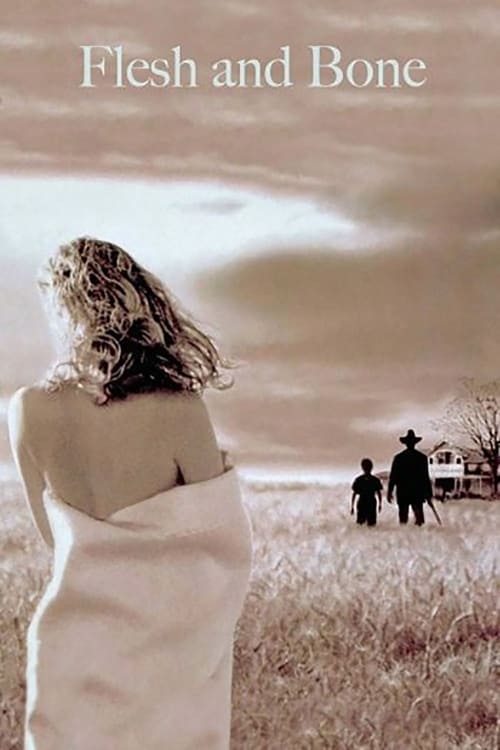
Flesh and Bone is a psychological character study that prioritizes the deconstruction of trauma over broad demographic representation. It successfully challenges traditional gender roles, replacing stable hierarchies with emotional volatility and mutual instability. However, the film lacks multi-layered depth. The narrative is confined to a narrow interpersonal dynamic that lacks racial diversity and queer representation, resulting in a traditional dramatic structure. While it offers a sophisticated look at mental instability, the film's focus remains largely on a specific, localized experience rather than a diverse social landscape.
Category Breakdown
The film focuses on a romantic relationship between Arlis and Kay that follows traditional heterosexual norms. There is no indication of queer-coded subtext or non-cisgender identities among the main characters.
The story challenges traditional male protector roles by depicting a chaotic power struggle. Gender dynamics are characterized by emotional volatility and mutual instability rather than conventional domestic hierarchies.
The central cast lacks significant racial or ethnic diversity. The story remains a localized psychological drama without incorporating diverse ethnic perspectives.
The film explores moral relativism and the complexities of human behavior. It prioritizes subjective psychological experiences over traditional social or religious moral frameworks.
The story centers on invisible disabilities, such as psychological trauma and mental instability. However, it risks using trauma as an atmospheric device rather than a nuanced study of neurodivergence.
Present on Screen
Limited or Absent
Official Synopsis
Haunted by memories of his father murdering a family, Arlis Sweeney prefers to keep to himself, focusing his energy on his work. One day, the traumatic past that eats away at him returns when he meets Kay Davies, a woman connected to the bloody event. Against all odds, Arlis and Kay fall in love; however, when his father, Roy, reappears in his life -- with the coldhearted Ginnie in tow -- Arlis must deal with his past demons.
1993
2010

1993

1993
1985

2014

1994

1990
No reviews yet. Be the first to share your thoughts on this movie!
Use the rating form above to leave a star rating and optional review.