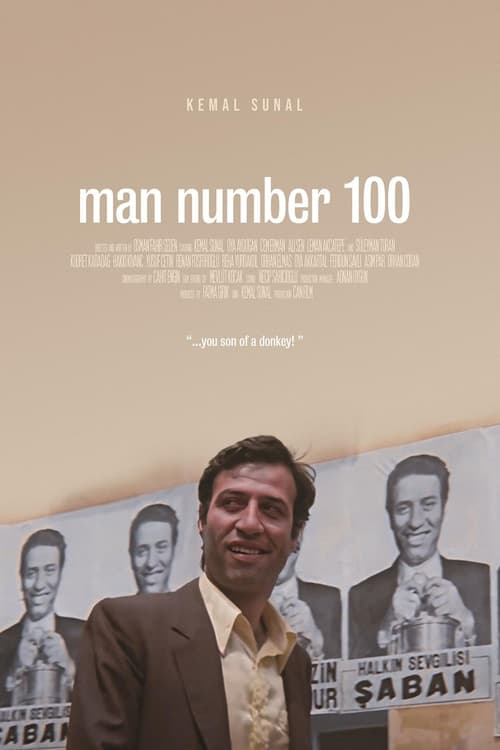
100 Numaralı Adam
1978
No user ratings available yet
Representation score: 3.5 out of 10
Representation Score
Limited
1981
Director
Osman F. Seden
Average Rating
No ratings yetNew Showbiz Analysis
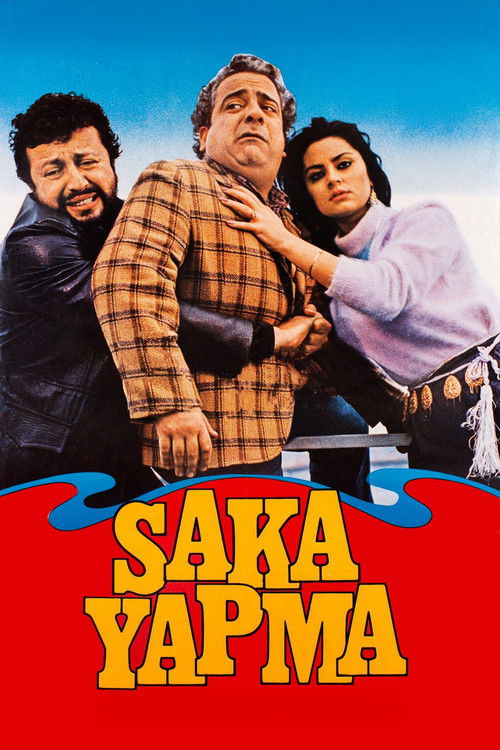
Şaka Yapma is a character-driven comedy that prioritizes individual melodrama over systemic social critique. The narrative follows a traditional trajectory where a protagonist's personal tragedy is exploited by commercial interests. The film relies on established mid-century cinematic clichés, focusing on a male protagonist's struggle with fate and capitalism. It lacks the depth needed to challenge social hierarchies or represent diverse identities. Ultimately, the work functions as a mainstream commercial piece. It uses personal crisis to drive a standard moral arc rather than exploring broader cultural or social complexities.
Category Breakdown
The film does not include any characters with non-straight sexual orientations or same-sex relationships. The story revolves around the protagonist's family and career.
The story centers on male characters, particularly Zeki and Metin. Zeki embodies a traditional provider role for his family, adhering to conventional cinematic archetypes.
As a Turkish production, the cast likely reflects a homogeneous domestic context. There is no indication of diverse ethnic casting within the narrative.
The plot explores the tension between personal suffering and capitalist exploitation. However, it follows a standard moral arc rather than a sustained institutional critique.
A terminal illness serves as the central plot device. While the protagonist maintains control over his actions, the illness primarily functions as a catalyst for dramatic conflict.
Present on Screen
Limited or Absent
Official Synopsis
The film tells the story of a young man who contracts a terminal illness and becomes a commercial star. Zeki supports his family by driving a taxi. After being hit by a car, he is taken to the hospital for examination. His friend Metin learns that Zeki has contracted a terminal illness. The businessman who hit Zeki includes him in an advertising campaign. Believing that everything is for a good cause, Zeki agrees to portray a young man on the brink of death in the advertisements. Despite the advertising campaign gaining significant attention nationwide, things will not unfold as the banker had anticipated.
1978

2019
1975
2005
1983

1974

1979

1978
No reviews yet. Be the first to share your thoughts on this movie!
Use the rating form above to leave a star rating and optional review.