We Italians
1964
No user ratings available yet
Representation score: 5.0 out of 10
Representation Score
Fair
1976
Director
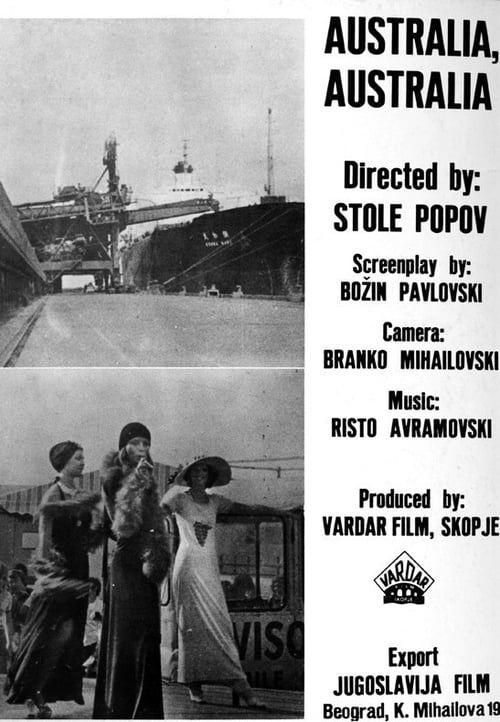
Stole Popov
Runtime
82 minutes
Average Rating
No ratings yetNew Showbiz Analysis
Australia serves as a vital ethnographic document that challenges the racial homogeneity of mid-century Australian cinema. By focusing on the Macedonian migrant experience, it provides a platform for a specific ethnic group and documents their unique labor struggles and cultural preservation. However, the film’s narrative structure is deeply rooted in traditional religious and familial traditions. The emphasis on church-centered milestones like baptisms and weddings indicates a commitment to communal traditions rather than social subversion. While the film excels in ethnic representation, it lacks diversity in terms of LGBTQ+ narratives and disability representation. It functions more as a preservation of heritage than a critique of established social institutions.
Category Breakdown
The film highlights traditional communal events such as weddings and baptisms. It does not include any LGBTQ+ characters or critiques of straight relationships.
The movie focuses on the experiences of migrant workers and their children. It portrays traditional labor roles without challenging gender hierarchies or depicting masculinity in non-traditional ways.
The film centers on the Macedonian diaspora, providing a non-Anglo-Saxon perspective. It breaks away from typical depictions of Australian life by highlighting unique ethnic integration.
Religious institutions play a key role in community cohesion through holy celebrations. The narrative emphasizes heritage and family milestones rather than secular themes or institutional critique.
The film does not mention any characters with visible or invisible disabilities. It does not provide information regarding representation in this category.
Present on Screen
Limited or Absent
Official Synopsis
The film reflects the life of the Macedonian emigrants and migrant workers in Australia. With their going away in far away countries and living abroad, some of them have succeed in socializing, but there are still some of them who always remain with the dilemma of returning in their native country. Through their personal retellings and the metaphor description of their whole way of living in the new surroundings, expressed in a mosaical cinemathographic way, one could get known with the hard work of the Macedonian emigrants; also, the education of their children, as well as the holly celebrations in the church, such as the baptizing, the weddings, but even the funerals either, as unavoidable part of human living.
1964

2016
2009
2003

2014

2006

2001
1986
No reviews yet. Be the first to share your thoughts on this movie!
Use the rating form above to leave a star rating and optional review.