
El camotero del barrio
1995
No user ratings available yet
Representation score: 4.0 out of 10
Representation Score
Fair
1990
Director
Víctor Manuel Castro
Average Rating
No ratings yetNew Showbiz Analysis
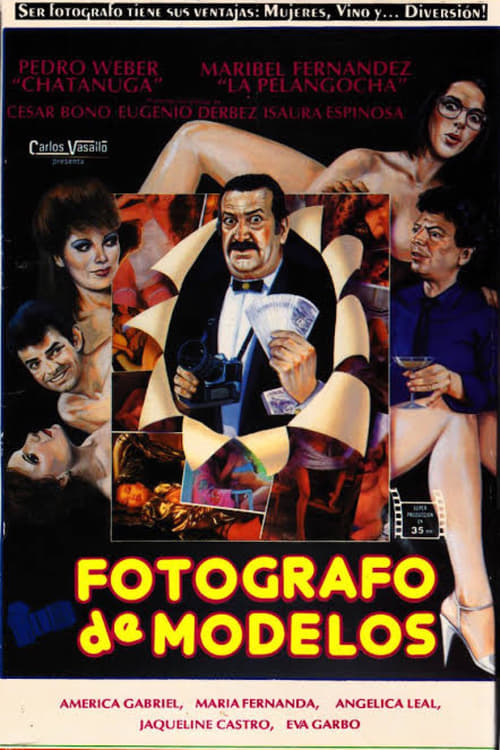
Fotógrafo de Modelos is a typical regional comedy from the 1990s, emphasizing slapstick and well-known story types. While it offers ethnic diversity typical of Mexican cinema, it doesn’t take a progressive stance on identity. The film sticks to the social hierarchy of the 1990s, using women in traditional roles and excluding LGBTQ+ perspectives. It focuses on mainstream entertainment rather than social commentary. Overall, the film lacks the complexity needed to challenge broader societal norms, concentrating instead on the comedic traditions of the time.
Category Breakdown
The film does not include LGBTQ+ identities or stories that question the idea that everyone is straight. It uses typical romantic storylines common in 1990s Mexican comedies.
Actresses like Maribel Fernández and Isaura Espinoza are present, but their roles often support the male lead. The film doesn't challenge traditional male-dominated structures.
The cast is mostly made up of people with Mexican heritage, reflecting the country’s demographics. However, it follows conventional norms without trying to mix races to challenge social divisions.
The story follows traditional comedic values from the early 1990s. It supports existing social norms and family structures without offering criticisms of institutions.
There are no characters with disabilities who have significant control over their lives. The film often uses physical differences for humor rather than exploring their experiences.
Present on Screen
Limited or Absent
Official Synopsis
Mexican comedy from 1990 written and directed by Víctor Manuel Castro.
1995
1987
1982
1990

1990
1990
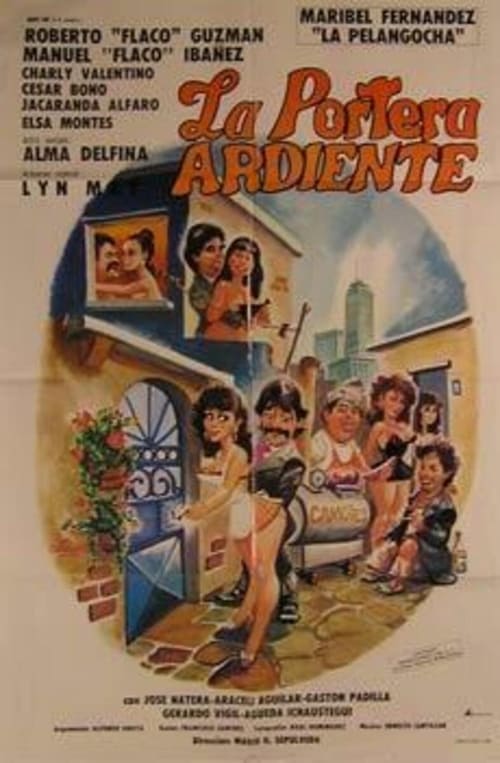
1989
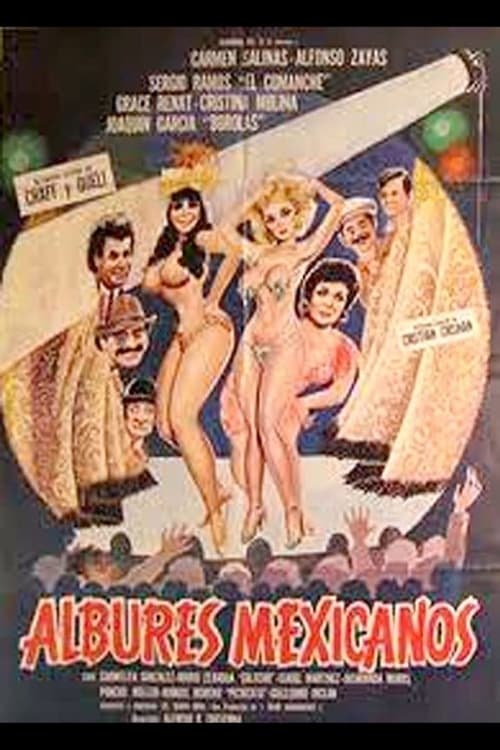
1985
No reviews yet. Be the first to share your thoughts on this movie!
Use the rating form above to leave a star rating and optional review.