
El camotero del barrio
1995
No user ratings available yet
Representation score: 4.0 out of 10

Representation Score
Limited
1990
Director
Víctor Manuel Castro
Runtime
115 minutes
Average Rating
No ratings yetNew Showbiz Analysis
Transplante a la mexicana is a product of the early 1990s Mexican erotic comedy genre, prioritizing escapism and physical humor over social critique. The film relies heavily on established genre clichés that favor traditional hierarchies. While the production centers a Mexican demographic, it lacks the complexity needed for high diversity scores. The narrative structure is built around localized cultural norms and conventional sexual dynamics. Ultimately, the film serves as a period-specific commercial piece. It offers little in the way of progressive representation or the subversion of systemic social structures.
Category Breakdown
The film does not include characters with non-binary gender identities or stories that question the assumption that everyone is straight. It follows typical sexual dynamics found in erotic comedies.
Women like Lina Santos play important roles visually but often serve as objects of attention rather than active drivers of the plot. Characters frequently support traditional hierarchies of desire instead of challenging them.
The cast is mainly Mexican, offering a local cultural viewpoint. However, the film does not blend different identities or challenge systemic power structures effectively.
The story aligns with traditional social norms and values of its time. It focuses on comedic and erotic themes rather than deconstructing religious or Western institutions.
There is no indication of characters with physical or neurodivergent disabilities.
Present on Screen
Limited or Absent
1995
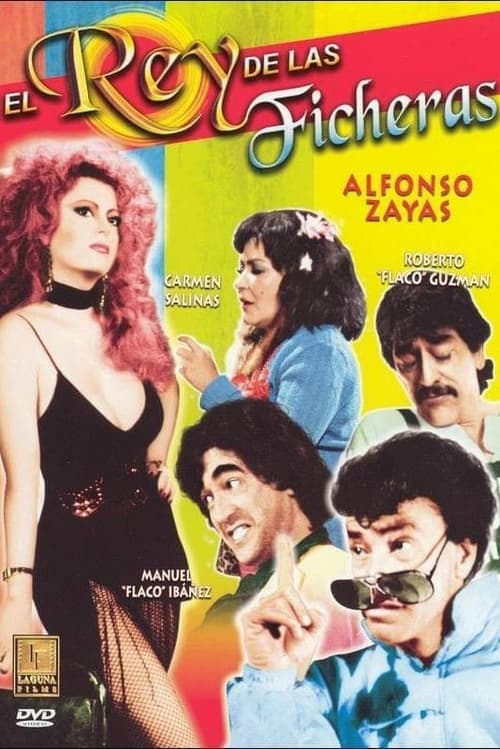
1989
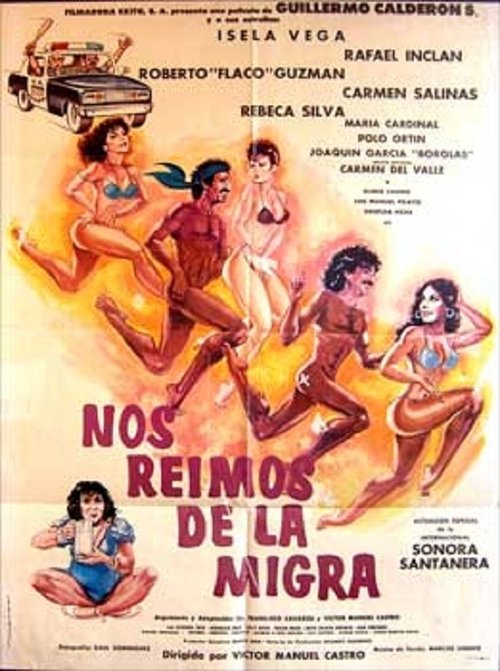
1987

1982
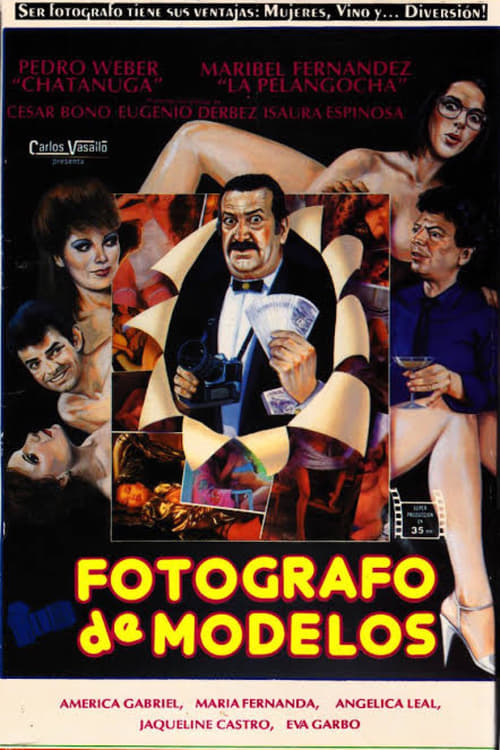
1990
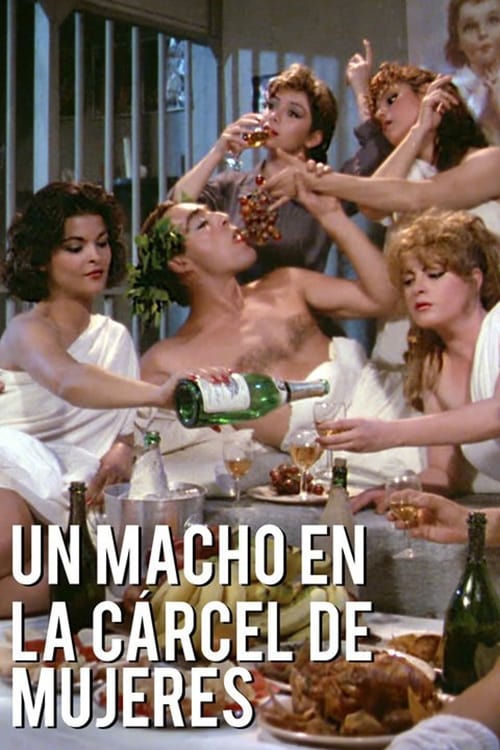
1986
1990
1982
No reviews yet. Be the first to share your thoughts on this movie!
Use the rating form above to leave a star rating and optional review.