
11.6
2013
No user ratings available yet
Representation score: 4.7 out of 10
Representation Score
Good
2006
Director
Lucas Belvaux
Runtime
116 minutes
Average Rating
No ratings yetNew Showbiz Analysis
The film functions as a character study that challenges the traditional heist genre by emphasizing the fragility and systemic inadequacies of its characters. It prioritizes interpersonal loyalty and situational ethics over strict adherence to institutional laws. However, the film lacks diversity in its character types, with a heavy focus on male-driven narratives and secondary roles for women. The social setting feels localized and potentially homogeneous, with limited representation of diverse backgrounds or LGBTQ+ identities. Ultimately, the work offers a nuanced exploration of human relationships and morality but remains confined within a traditional, male-centric framework.
Category Breakdown
The film focuses on male friendships and a criminal scheme, with no clear representation of LGBTQ+ identities or non-cisgender identities.
The story revolves around male characters, with women playing secondary roles. Patrick's wife motivates the heist but does not have a leading role.
Set in Liège, Belgium, the film reflects the local, possibly homogeneous social context of the region, without much evidence of diverse racial backgrounds.
The story examines moral relativism by focusing on a heist driven by friendship and necessity, challenging the binary between criminal behavior and law-abiding citizenship.
There is no indication of characters with visible or invisible disabilities in the film, which instead focuses on socioeconomic and psychological pressures.
Present on Screen
Limited or Absent
Official Synopsis
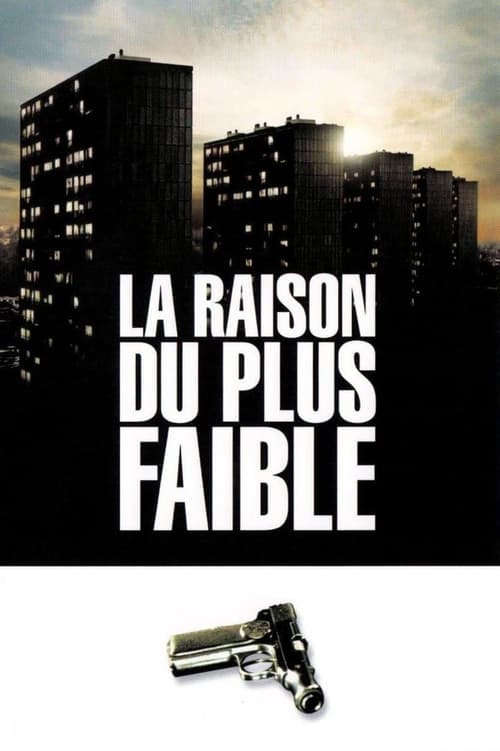
In the Belgian town of Liege, in order to buy a moped for the wife of their friend Patrick, three men decide to organise a large-scale hold-up. As expected, nothing goes to plan.
2013

2004

2012

2017

2017
2008

1991
1993
No reviews yet. Be the first to share your thoughts on this movie!
Use the rating form above to leave a star rating and optional review.