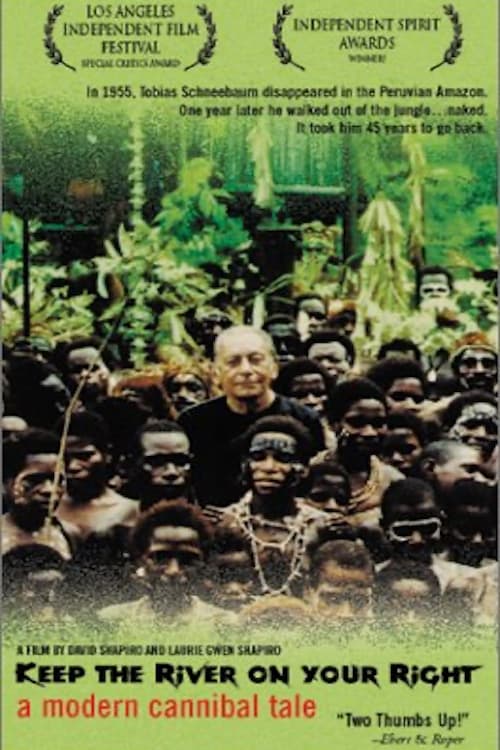
Keep the River on Your Right: A Modern Cannibal Tale
2000
No user ratings available yet
Representation score: 5.9 out of 10
Representation Score
Limited
2011
Director
Fraser Clarke Heston
Runtime
90 minutes
Average Rating
No ratings yetNew Showbiz Analysis
The documentary successfully elevates the indigenous perspective beyond a mere backdrop for a Western tragedy. It avoids a purely Eurocentric lens by presenting the Asmat culture as a complex, legitimate framework. However, the film remains heavily centered on a male-centric perspective, reflecting the historical focus on the Rockefeller family and 1960s patriarchal structures. Ultimately, the work functions as a nuanced study of post-colonial tension, balancing the Western disappearance narrative with a respectful examination of indigenous sovereignty and social systems.
Category Breakdown
The documentary focuses on a historical true-crime framework centered on the Rockefeller family and the Asmat people. There are no LGBTQ+ characters or narratives included in the film.
The film centers on male-dominated spheres, such as the Rockefeller dynasty and Asmat tribal leadership. Due to the historical context and focus on Michael Rockefeller’s journey, there is limited representation of women and women's ability to drive the story.
The film provides significant visibility to the Asmat people of West Papua. By centering their cultural landscape, it challenges traditional explorer clichés that often sideline non-Western populations.
The documentary examines the conflict between Western capitalist interests and indigenous spiritual systems. It portrays Asmat rituals and belief systems as complex and legitimate frameworks, rather than mere curiosities.
There is no specific focus on neurodivergence, physical disabilities, or mental health conditions within the primary subjects or the archival footage used in the film.
Present on Screen
Limited or Absent
Official Synopsis
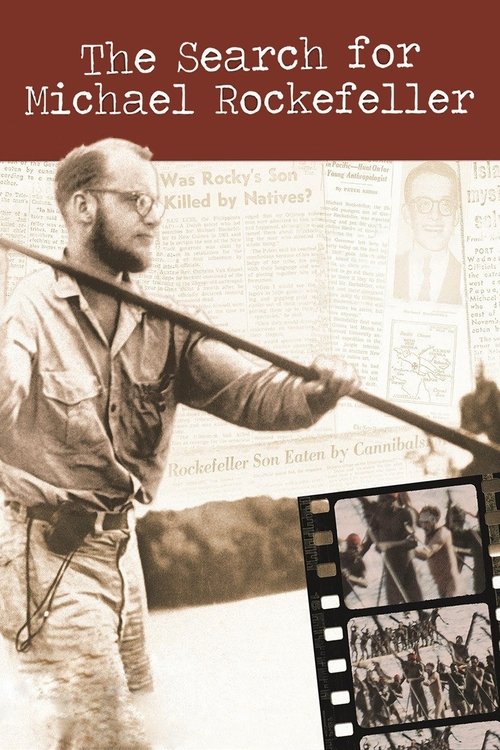
The disappearance of Michael Rockefeller is one of the enduring unsolved mysteries of the 20th Century. In 1961, Michael Rockefeller left on a voyage down the cannibal coast of New Guinea in a trading canoe. Several miles off shore, heavy seas swamped his craft. After a night adrift, Rockefeller set out to swim for the distant shore, leaving his companion with the fateful words: "I think I can make it..." He was never seen again. Or was he?
2000
2015
2007
2019
2019
2013
2014
2020
No reviews yet. Be the first to share your thoughts on this movie!
Use the rating form above to leave a star rating and optional review.