
No Place Like Home
1989
No user ratings available yet
Representation score: 5.4 out of 10
Representation Score
Fair
1988
Director
Larry Elikann
Runtime
93 minutes
Average Rating
No ratings yetNew Showbiz Analysis
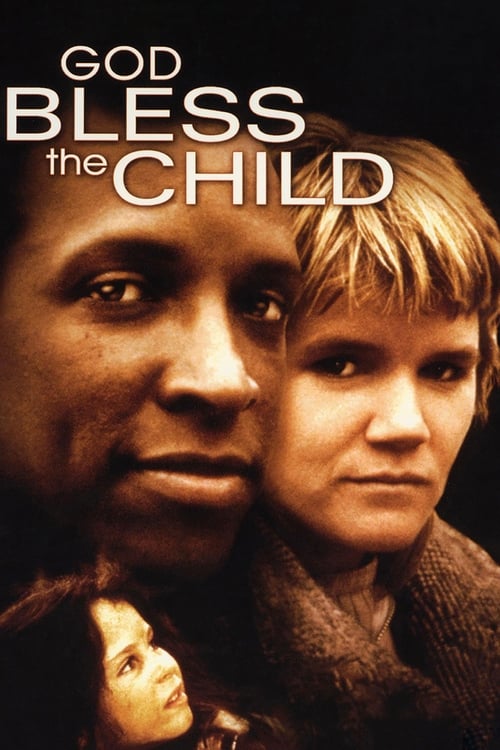
God Bless the Child is a social drama that prioritizes the examination of racial and gender power dynamics. It moves beyond including someone from a minority group without giving them real depth to explore how systemic inequality shapes the narrative conflict. The film effectively uses setting as a metaphor for exclusion, particularly through the lens of a Black woman navigating white suburban spaces. However, its scope is limited, lacking representation of LGBTQ+ identities and characters with disabilities.
Category Breakdown
The film does not include any LGBTQ+ characters or explore non-cisgender identities. It focuses solely on racial and socioeconomic dynamics within a traditional family structure.
The narrative centers around a strong female lead who drives the story forward, showcasing resilience and ability to act. She is the main force behind her family's survival in challenging social environments.
The film provides a critical look at racial stratification by placing a Black protagonist in a predominantly white suburban area. It emphasizes the Black experience through detailed character development.
The story critiques the limitations of the American Dream and Western social institutions. It portrays the struggle for survival as a rebellion against an exclusionary social contract.
There is no significant depiction of physical or neurodivergent disabilities in this film.
Present on Screen
Limited or Absent
Official Synopsis
Single mother, Theresa Johnson, becomes homeless, loses her job and tries to survive with her young daughter, Hillary, through charities and public shelters.
1989
1985

1989
1990

2025

2005

2005

2008
No reviews yet. Be the first to share your thoughts on this movie!
Use the rating form above to leave a star rating and optional review.