La Malédiction du lys
2023
No user ratings available yet
Representation score: 6.2 out of 10
Representation Score
Limited
2019
TV-14Director
Olivier Barma
Runtime
90 minutes
Average Rating
No ratings yetNew Showbiz Analysis
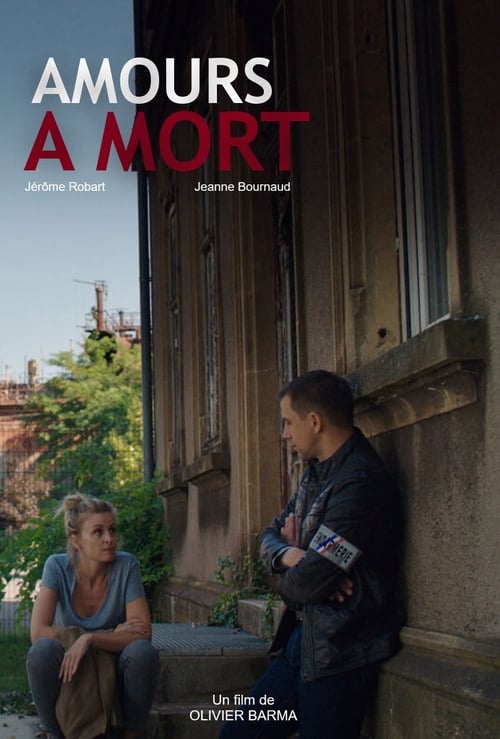
Amours à mort is a localized crime procedural that emphasizes character's ability to drive the story over broad demographic diversity. The film highlights a female lead with significant intellectual autonomy, moving beyond passive gender stereotypes typically found in the genre. However, the narrative remains confined to a traditional, regional framework. Its focus on specific local family histories and a central heterosexual romance limits engagement with broader multi-layered or demographic diversity. Ultimately, while the film challenges certain gendered expectations, it operates within a narrow social scope that lacks significant LGBTQ+, racial, or disability representation.
Category Breakdown
The film does not include explicit LGBTQ+ characters or themes related to non-straight identities. The central romantic tension revolves around a traditional heterosexual relationship between the main character and the victim's daughter.
Laure Thouvenin stands out as a strong female lead who departs from typical gender hierarchies. She maintains intellectual independence and actively participates in the investigation.
The story centers on the multi-generational history of specific families in the Moselle region. There is no indication of a diverse or non-majority cast within this localized setting.
The narrative explores the connection between personal history and industrial legacy. It examines familial corruption but does not provide a clear critique of Western or religious institutions.
There is no depiction of physical or neurodivergent disabilities in the film. No characters are identified as having disabilities in the provided context.
Present on Screen
Limited or Absent
Official Synopsis
Deep in the heart of the Moselle, in the Uckange furnace Park, is a crime scene as spectacular as it is baffling. The victim is the former Director of the site. When the relentless but sensitive Clément Leroy, captain of the criminal section of the Metz gendarmerie, sets out to investigate, he reconnects with his childhood love, Laure Thouvenin, the victim's daughter and a specialist in industrial history. As this free and unconventional woman becomes increasingly involved in the case, she and Leroy unravel the shocking story of their respective families running over three generations.
2023

2019

2017
2022
2017

2016
2018
2020
No reviews yet. Be the first to share your thoughts on this movie!
Use the rating form above to leave a star rating and optional review.