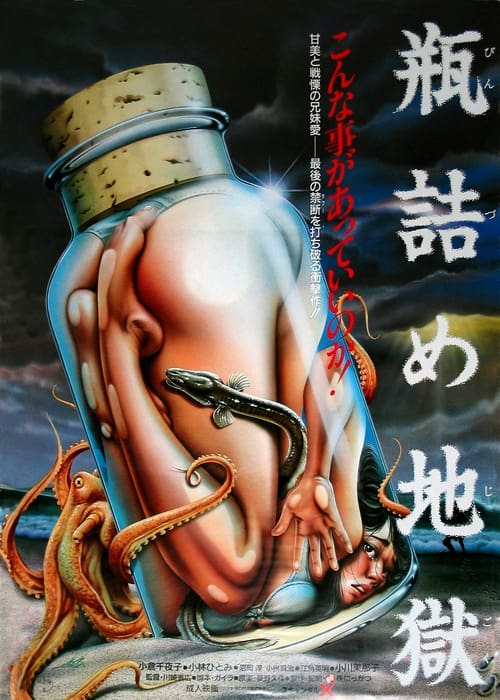
Hell in a Bottle
1986
No user ratings available yet
Representation score: 4.7 out of 10
Representation Score
Good
2000
Director
Isao Yukisada
Runtime
91 minutes
Average Rating
No ratings yetNew Showbiz Analysis
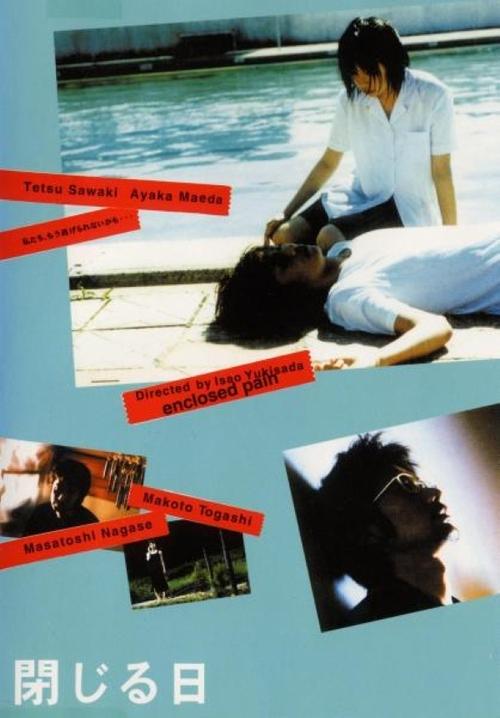
Enclosed Pain is a character-driven drama that prioritizes internal emotional landscapes over traditional plot devices. It challenges traditional archetypes, especially by dismantling the image of the stable patriarch in favor of a more complex, traumatic domestic reality. The film offers a nuanced critique of social structures and the sanctity of the family unit. By focusing on the psychological resilience of its protagonists, it moves away from idealized depictions of parenthood and toward a more realistic, cynical view of domestic life. However, the film remains culturally localized, which limits its broader multi-ethnic appeal. While it provides deep psychological insight, the lack of explicit representation for physical or neurodivergent disabilities keeps the diversity profile moderate.
Category Breakdown
The film explores a unique sibling bond formed due to shared trauma, disrupting typical family dynamics and challenging traditional gender roles.
The story challenges traditional gender roles by depicting the father as a source of instability rather than authority. It highlights the psychological resilience of the siblings in the face of a brutal household environment.
As a Japanese drama, the film focuses on specific cultural settings and lacks explicit multi-ethnic casting, reflecting its regional demographic profile.
The narrative deconstructs the idealized nuclear family by showing it as a place of brutality. It questions the sanctity of domestic institutions and generational continuity through its focus on hidden secrets.
The film centers on the psychological impact of trauma and harsh treatment. While no physical disabilities are mentioned, the narrative emphasizes the invisible struggles of dealing with deep emotional wounds.
Present on Screen
Limited or Absent
Official Synopsis
Yuri and Takumi are brother and sister who faced unusually harsh treatment by their father. An act of brutality keeps them extremely close together until an older couple occupy the house where their secret was buried.
1986

1950
2019

2012
2012

1999
2019
2018
No reviews yet. Be the first to share your thoughts on this movie!
Use the rating form above to leave a star rating and optional review.