
Anywhere but Here
1999
No user ratings available yet
Representation score: 2.2 out of 10
Representation Score
Fair
2002
PG-13Director
Wayne Wang
Runtime
105 minutes
Average Rating
No ratings yetNew Showbiz Analysis
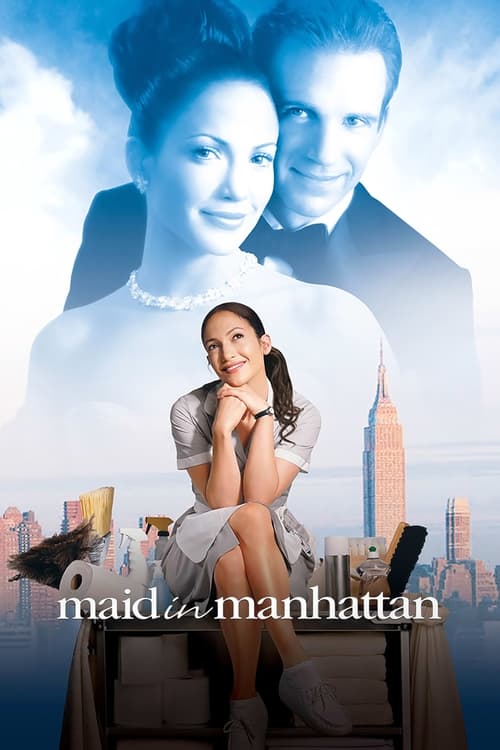
Maid in Manhattan offers a transitional romantic comedy that challenges racial norms while sticking to traditional genre structures. By putting a Latina woman at the center of a high-society setting, it provides representation that was uncommon for its time. The film gives its female lead a strong, independent role, moving beyond submissive archetypes. However, it remains tied to conventional romantic resolutions and does not deeply critique the socioeconomic systems it portrays. Overall, the film balances meaningful ethnic representation with the commercial expectations of a standard Hollywood romance.
Category Breakdown
The film does not include any LGBTQ+ characters or non-straight relationships. The central love story focuses on the relationship between a female protagonist and a male political figure.
Marisa Ventura is portrayed as a strong, independent single mother who plays a significant role in driving the story. While she takes charge of the emotional plot, the film ultimately centers on a traditional romantic relationship.
By featuring a Latina protagonist, the film breaks away from the usual 'white-as-default' romantic comedy cliché. It explores the tension between her identity and the affluent, predominantly white Manhattan social scene.
The story addresses class differences and the conflicts between service workers and the elite. However, it uses these tensions to create a romanticized 'Cinderella' ending rather than a deeper critique of societal structures.
There are no prominent portrayals of physical or neurodivergent disabilities. None of the characters are used as plot devices or subjects of mockery regarding disability.
Present on Screen
Limited or Absent
Official Synopsis
Marisa Ventura is a struggling single mom who works at a posh Manhattan hotel and dreams of a better life for her and her young son. One fateful day, hotel guest and senatorial candidate Christopher Marshall meets Marisa and mistakes her for a wealthy socialite. After an enchanting evening together, the two fall madly in love. But when Marisa's true identity is revealed, issues of class and social status threaten to separate them. Can two people from very different worlds overcome their differences and live happily ever after?
1999

1936

1999
1961

2012
1995

2007

1990
No reviews yet. Be the first to share your thoughts on this movie!
Use the rating form above to leave a star rating and optional review.