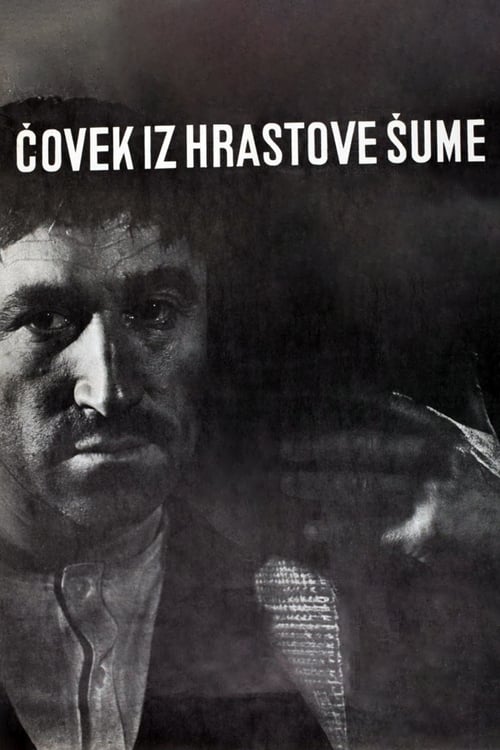
The Man from the Oak Forest
1964
No user ratings available yet
Representation score: 5.4 out of 10
Representation Score
Good
1961
Director
France Štiglic
Runtime
80 minutes
Average Rating
No ratings yetNew Showbiz Analysis
France Štiglic’s work is a sophisticated piece of historical realism that prioritizes systemic struggle over escapism. It succeeds in cultural representation by challenging traditional moral binaries and religious clichés, replacing them with high-stakes political survival. However, the film is limited by the era's gendered hierarchies and a lack of diverse identities. The narrative is heavily centered on male-driven ability to act and a homogeneous regional cast, offering little room for modern markers of diversity. Ultimately, the film is a localized, intense study of political identity and trauma, excelling in its thematic depth while remaining narrow in its demographic scope.
Category Breakdown
The film does not include any explicit LGBTQ+ characters or representations of non-straight identities. The story focuses on survival and moral dilemmas.
The story centers on the male experience of war, balancing domestic life with militant struggle. While a family is present, the narrative is primarily driven by male characters.
The cast is ethnically uniform, reflecting the specific regional demographics of Slovenia. It functions as a localized study of ethnic and political identity within the Yugoslav context.
The film deconstructs traditional religious clichés by framing Christmas through anxiety rather than joy. It prioritizes the morality of resistance over conventional institutional stability.
The presence of wounded partisans introduces themes of physical trauma. These characters serve as central catalysts for the protagonist's moral crisis rather than mere background elements.
Present on Screen
Limited or Absent
Official Synopsis
Temnikar's family prepares for Christmas, but to him, it's the time of dark premonitions and anxiety. In the mountain cave, hidden by snow, the wounded partisans are hiding, and Temnikar suspects the treason. Once the White Guard patrol shows up at Temnikar's doorstep, he finds out about their plan to go and finish off the wounded partisans.
1964
1968
1967

1969
1958
1968
1972
1965
No reviews yet. Be the first to share your thoughts on this movie!
Use the rating form above to leave a star rating and optional review.