
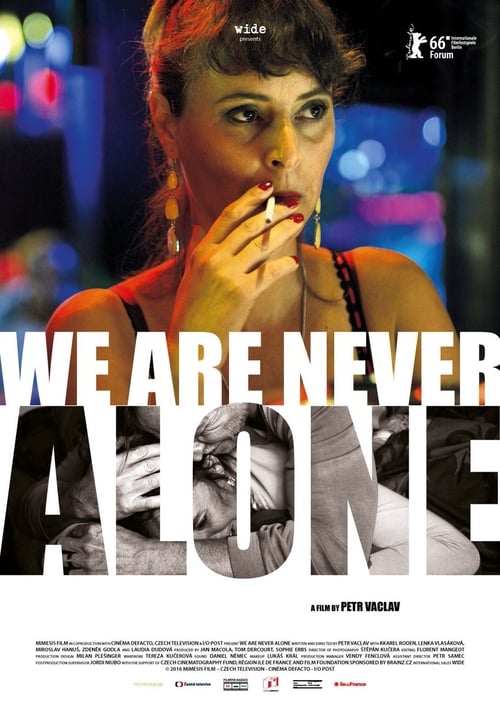
Splinters
2009
No user ratings available yet
Representation score: 4.5 out of 10
Representation Score
Good
2016
Director
Petr Václav
Runtime
104 minutes
Average Rating
No ratings yetNew Showbiz Analysis
Petr Václav’s drama functions as a naturalist study of human isolation. It avoids polished, commercial clichés to focus on the friction between underrepresented individuals and their environments. The film's strength lies in its subversion of traditional archetypes, centering characters defined by psychological and social vulnerabilities. However, the film lacks overt markers of high-concept identity politics. The demographic focus remains localized and homogeneous, offering little in the way of racial or queer diversity. While it explores mental health, it is unclear if these conditions are treated with nuanced ability to act or used as plot devices. Ultimately, the work succeeds as a character-driven exploration of human frailty rather than a vehicle for broad social representation.
Category Breakdown
The film lacks explicit evidence of queer identities or non-straight relationships. Characters engage with strong interpersonal connections, but there is no visible queer ability to act or representation in the narrative.
Female characters are portrayed through lenses of exhaustion and economic necessity, such as a single mother and a despairing wife. This approach avoids idealized domestic clichés in favor of gritty realism.
The setting in the Czech provinces suggests a relatively homogeneous demographic. The narrative appears focused on local social strata without evidence of diverse racial casting.
The film explores systemic isolation and the breakdown of traditional social structures in a provincial setting. It prioritizes the complexities of survival over centralized or institutionalized ideals.
Psychological vulnerability is a central theme, evidenced by characters defined by paranoia and hypochondria. The film engages with the complexities of the human psyche and mental health themes.
Present on Screen
Limited or Absent
Official Synopsis
Somewhere in the middle of nowhere in the Czech provinces, a handful of people come together: a paranoid prison guard, his hypochondriac neighbour and the latter’s silent, despairing wife, a lovesick nightclub manager and a stripper who is a single mum.
2009

2001
2005

2015
2014
2019
2008

2020
No reviews yet. Be the first to share your thoughts on this movie!
Use the rating form above to leave a star rating and optional review.