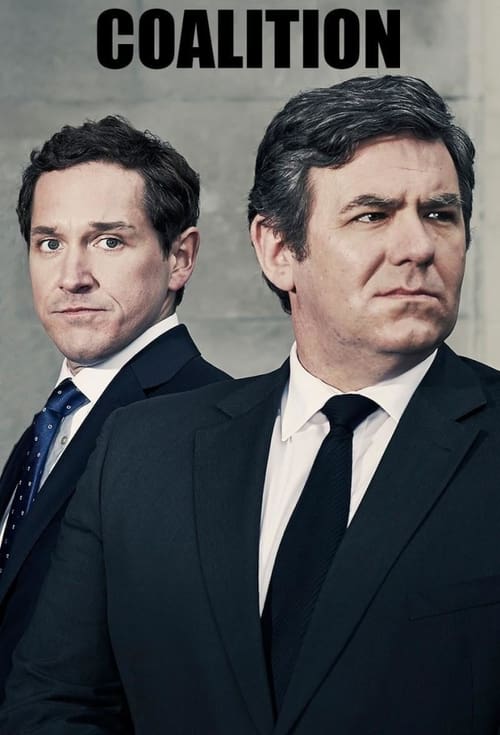
Coalition
2015
No user ratings available yet
Representation score: 3.6 out of 10
Representation Score
Fair
2009
TV-14Director
James Kent
Runtime
113 minutes
Average Rating
No ratings yetNew Showbiz Analysis
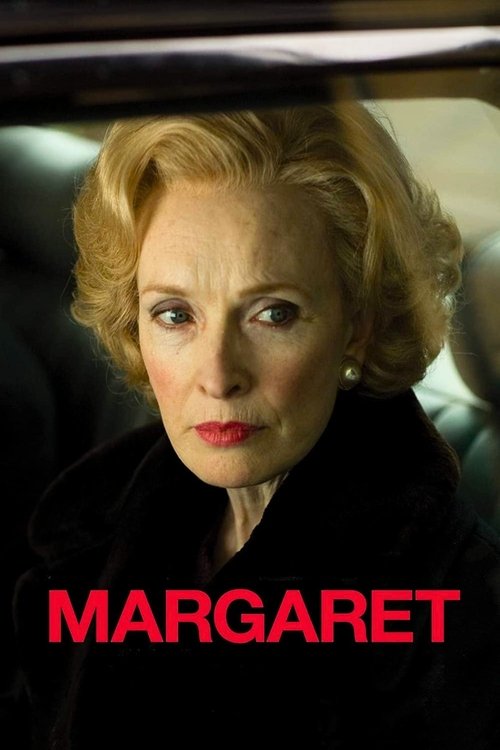
Margaret is a focused character study of political power and institutional decay. It excels by breaking down the 'strong leader' stereotype and exploring the moral complexities of state power. The film's strength lies in its nuanced critique of gendered leadership roles. However, the film falls short in several areas. The narrative is centered on a homogeneous political elite, leading to limited racial and ethnic representation. It also lacks any significant LGBTQ+ narratives or disability-related themes. Ultimately, the film is a specialized drama. It prioritizes the psychological depth of a singular historical figure and the mechanics of government over a wide range of social representation.
Category Breakdown
The film adheres to traditional mid-century political structures. It does not explore narratives around non-binary gender identities or challenge assumptions about straight relationships.
The narrative challenges the idea of male leadership by focusing on a powerful female Prime Minister. It examines the isolation and difficulties she faces in a male-dominated environment.
The story centers on a largely homogenous group of high-level political figures. Diverse ethnic backgrounds are secondary to the exploration of institutional power and political decline.
The film provides a sophisticated look at Western institutions and state mechanisms. It delves into moral relativism and the instability of political systems through the lens of leadership deterioration.
The film does not focus on neurodivergence, mental health issues, or visible disabilities. There are no characters with these specific traits.
Present on Screen
Limited or Absent
Official Synopsis
A detailed and compelling portrait of one of the most formidable characters in British politics as she faces her final days in power. The year is 1990 and Margaret Thatcher's support within the government is wavering - her hold on the premiership hangs in the balance. Then, long-serving politician Sir Geoffrey Howe resigns over Thatcher's attitude to Europe. His resignation speech sparks a chain of events that leads to the overthrow of Britain's first woman prime minister. This modern dramatic tragedy illustrates the strengths and fatal flaws of this iconic woman more clearly than ever before and reveals how the very aspects of her character that helped her secure power are the ones that ensured her downfall. Drama starring Lindsay Duncan.
2015

1995

1993

2018
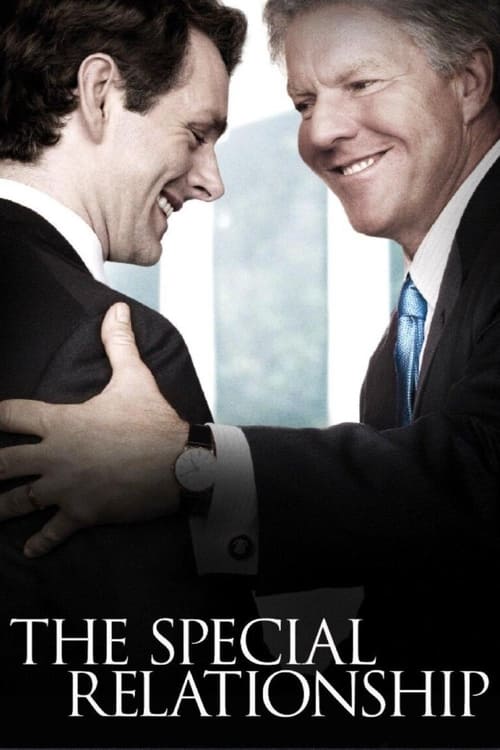
2010
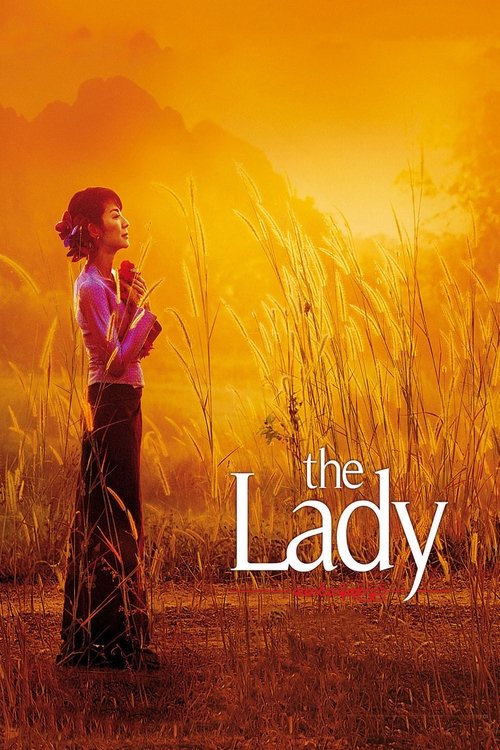
2011
2005

2017
No reviews yet. Be the first to share your thoughts on this movie!
Use the rating form above to leave a star rating and optional review.