Moondram Pirai
1982
No user ratings available yet
Diversity score: 5.8 out of 10
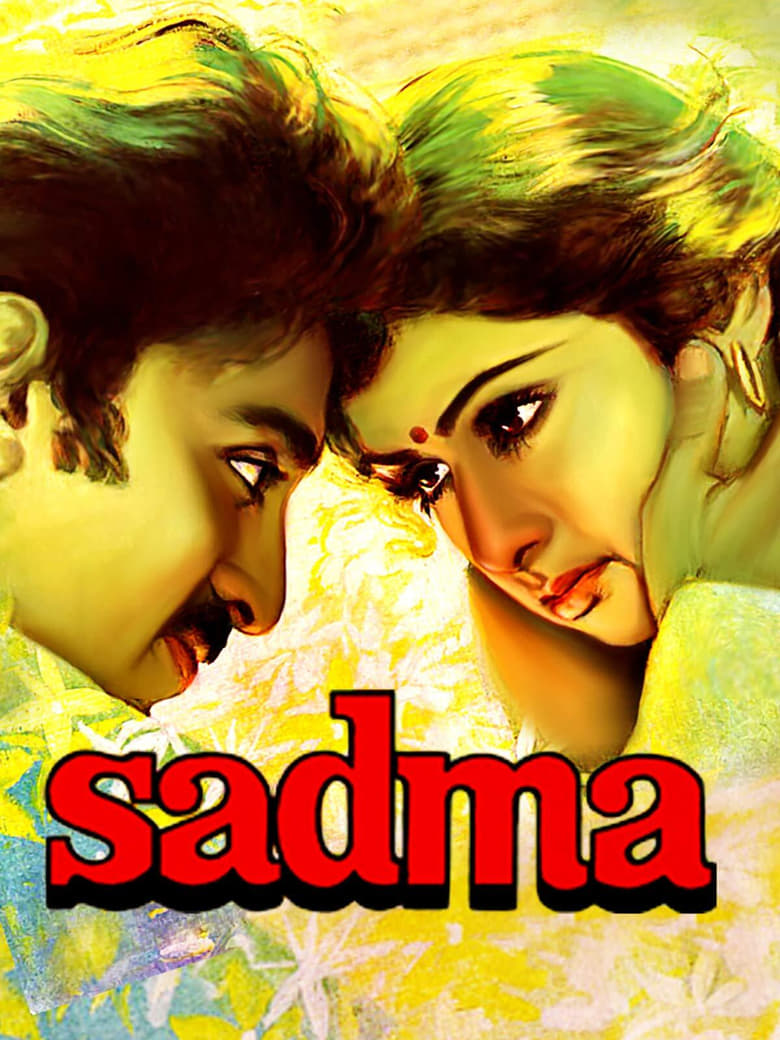
1983
Director
Balu Mahendra
Runtime
141 minutes
Average Rating
No ratings yetSynopsis
A head injury causes a woman to regress to childhood. Lost and confused, she is eventually befriended by a school teacher. A Hindi remake of the 1982 film "Moondram Pirai" by the same team.
Overall Score
Fair
Category Breakdown
LGBTQ+ Representation
The film focuses exclusively on heteronormative romantic and marital structures. There is no evidence of non-cisnormative gender identities or same-sex intimacy.
Gender Representation
The narrative centers on the female protagonist's psychological journey, subverting the 'stable male leader' trope by depicting the male lead as emotionally withdrawn. However, it remains anchored in traditional feminine archetypes of devotion and sacrifice.
Racial & Ethnic Diversity
The film presents an authentic South Asian landscape with a cast representative of its regional context. It avoids Western-centric norms through its commitment to localized, authentic storytelling.
Religious & Cultural Diversity
The story operates within a framework of emotional realism rather than systemic critique. It depicts domesticity and marital bonds as central pillars of the social experience without deconstructing traditional institutions.
Disability Representation
The film excels by centering the plot on psychological regression and physical limitations. It avoids 'inspiration porn,' focusing instead on the lived reality and the emotional toll of caretaking.
Strengths
Areas for Improvement
AI Analysis
Sadma is a character-driven drama that prioritizes psychological realism over social polemic. It achieves meaningful representation through its empathetic and complex handling of disability and the subversion of traditional masculine archetypes. The film's strength lies in its nuanced portrayal of cognitive and physical challenges, granting these characters significant narrative agency. It avoids using disability as a mere plot device for mockery. However, the film remains limited by its adherence to traditional relational dynamics and heteronormative structures, offering little engagement with broader identity politics or systemic critiques.
1982

2001

2000
1987

2003
2010
1998

1982

2010

2014
1971

1981
No reviews yet. Be the first to share your thoughts on this movie!
Use the rating form above to leave a star rating and optional review.