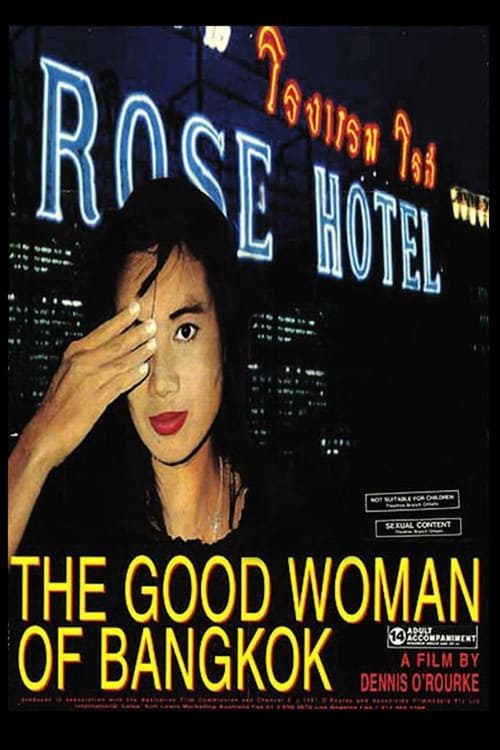
The Good Woman of Bangkok
1991
No user ratings available yet
Representation score: 6.3 out of 10
Representation Score
Good
1983
Director
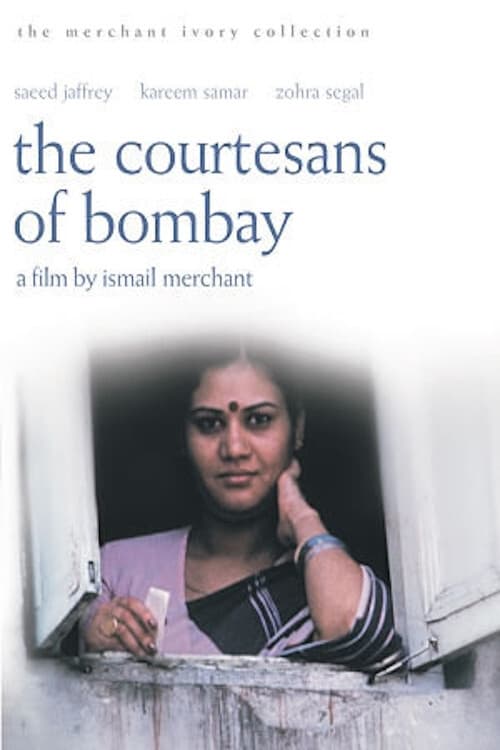
Ismail Merchant
Runtime
74 minutes
Average Rating
No ratings yetNew Showbiz Analysis
The film serves as a gritty social commentary that deconstructs the glamorous illusions of the Bollywood industry. By blending documentary footage with reenactments, it exposes the systemic vulnerabilities of performers in Mumbai's Pavanpul community. It excels in its authentic South Asian setting and its critique of patriarchal and familial structures. The focus on underrepresented women provides a nuanced look at class and survival. However, the film lacks visible representation for LGBTQ+ identities and provides no information regarding disability representation.
Category Breakdown
The film focuses on the intersection of gender and labor within a specific underworld. It does not explicitly depict non-straight relationships or LGBTQ+ identities.
The story centers on women navigating a patriarchal system. It disrupts traditional passive portrayals of women by highlighting their resilience and survival amidst systemic exploitation and shattered ambitions.
The film offers a deep dive into a South Asian community in Mumbai. It avoids a Western perspective by focusing on the lived experiences of a underrepresented Indian population.
The film critiques traditional social institutions and the sanctity of the family unit. It examines how systemic oppression and capitalist aspirations shape the lives of its subjects.
There is no information available regarding the portrayal of physical or neurodivergent disabilities in this work.
Present on Screen
Limited or Absent
Official Synopsis
In the Mumbai, India, tenement community of Pavanpul, young female courtesans sing, dance and perform sexual favors for male clientele. Directors James Ivory and Ismail Merchant blend documentary footage and dramatic reenactments in their exploration of this seamy underworld, the flip side of the Bollywood film industry, where aspiring actors and dancers -- some even sold into prostitution by their own families -- end up, with their innocence lost and their hopes for movie stardom shattered.
1991
2004
2011

2004
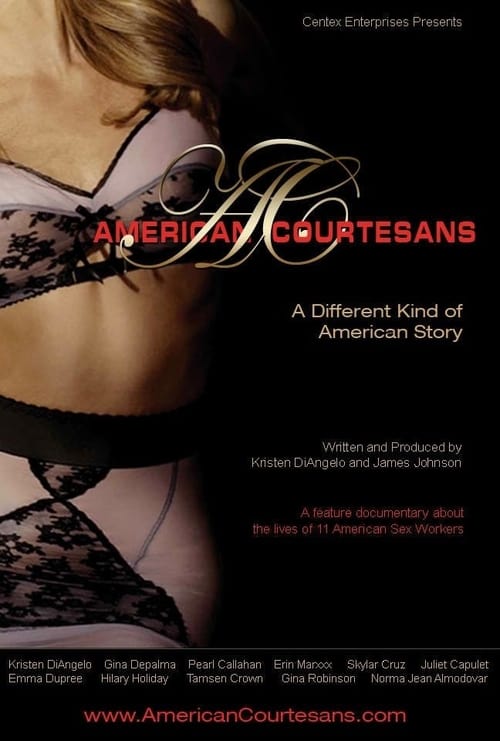
2013
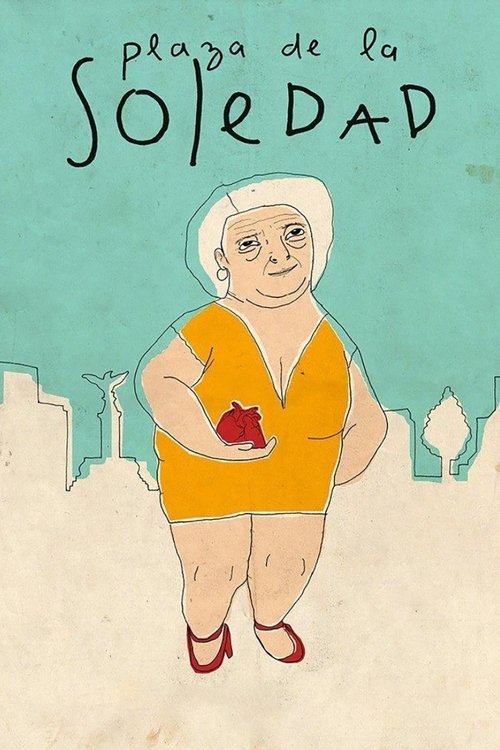
2017
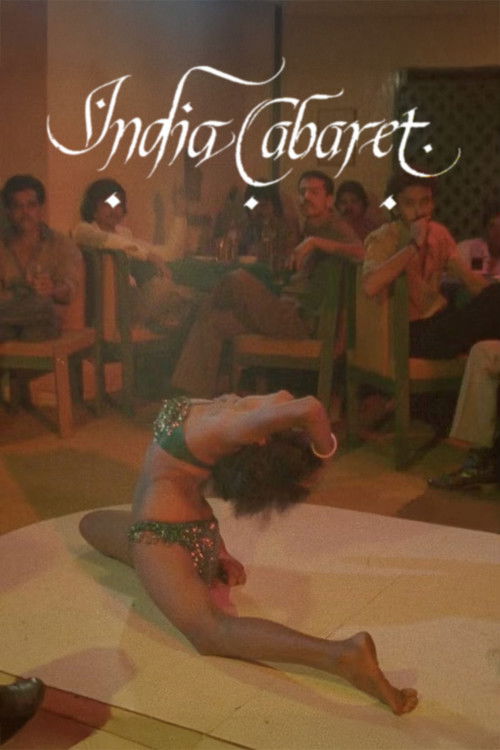
1985

1984
No reviews yet. Be the first to share your thoughts on this movie!
Use the rating form above to leave a star rating and optional review.