
Déchaînées
2009
No user ratings available yet
Representation score: 6.1 out of 10
Representation Score
Good
1981
Director
Claudia von Alemann
Runtime
112 minutes
Average Rating
No ratings yetNew Showbiz Analysis
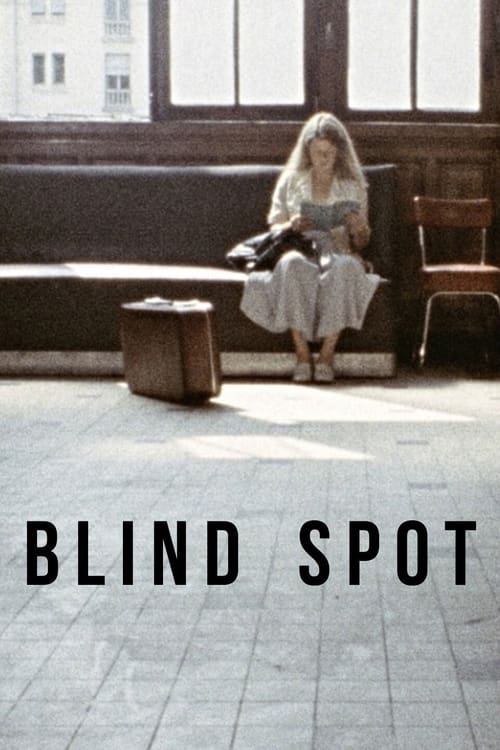
Blind Spot is a sophisticated feminist film that uses historical research to highlight the importance of female perspectives. It replaces traditional male viewpoints with a subjective, intellectual female perspective. The film's strength lies in its narrative structure, which elevates female intellect and socialist history. It effectively shows how mainstream Western narratives sideline radical thinkers. However, the film remains limited by its focus on a specific European demographic, lacking direct representation of racial diversity and contemporary LGBTQ+ identities.
Category Breakdown
The film doesn't show contemporary LGBTQ+ identities or relationships directly. However, it focuses on female perspectives that can be analyzed from a queer theory standpoint, moving away from traditional assumptions about straight relationships.
The film stands out by highlighting a female intellectual and a radical feminist figure. It emphasizes the role of women in driving the story and uses a personal, sensory perspective to challenge traditional male-dominated narratives.
The film centers on Swiss-German and French settings, which are predominantly white. It doesn't include diverse racial backgrounds but explores how certain voices are erased from history.
The film focuses on socialist and feminist ideas, critiquing mainstream Western institutions. It reconstructs forgotten, non-conformist histories from a radical viewpoint.
There is no information available about the portrayal of physical or neurodivergent disabilities in this work.
Present on Screen
Limited or Absent
Official Synopsis
The young historian Elisabeth is traveling to Lyon on her own in order to explore the city tracing the life of Flora Tristan. Tristan, whose diary Elisabeth is carrying, was a 19th century socialist and feminist who influenced many contemporary activists and intellectuals yet fell into oblivion herself. Elisabeth tries to put together the clues she can find in Lyon wanting to reconstruct Tristan's life in the most sensual way.
2009
1967
1981
2015
2020
2020
2020

2025
No reviews yet. Be the first to share your thoughts on this movie!
Use the rating form above to leave a star rating and optional review.