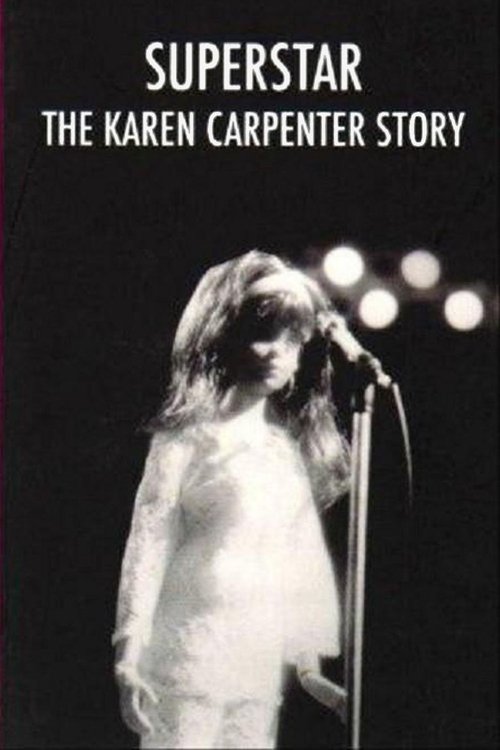
Superstar: The Karen Carpenter Story
1987
No user ratings available yet
Diversity score: 5.9 out of 10
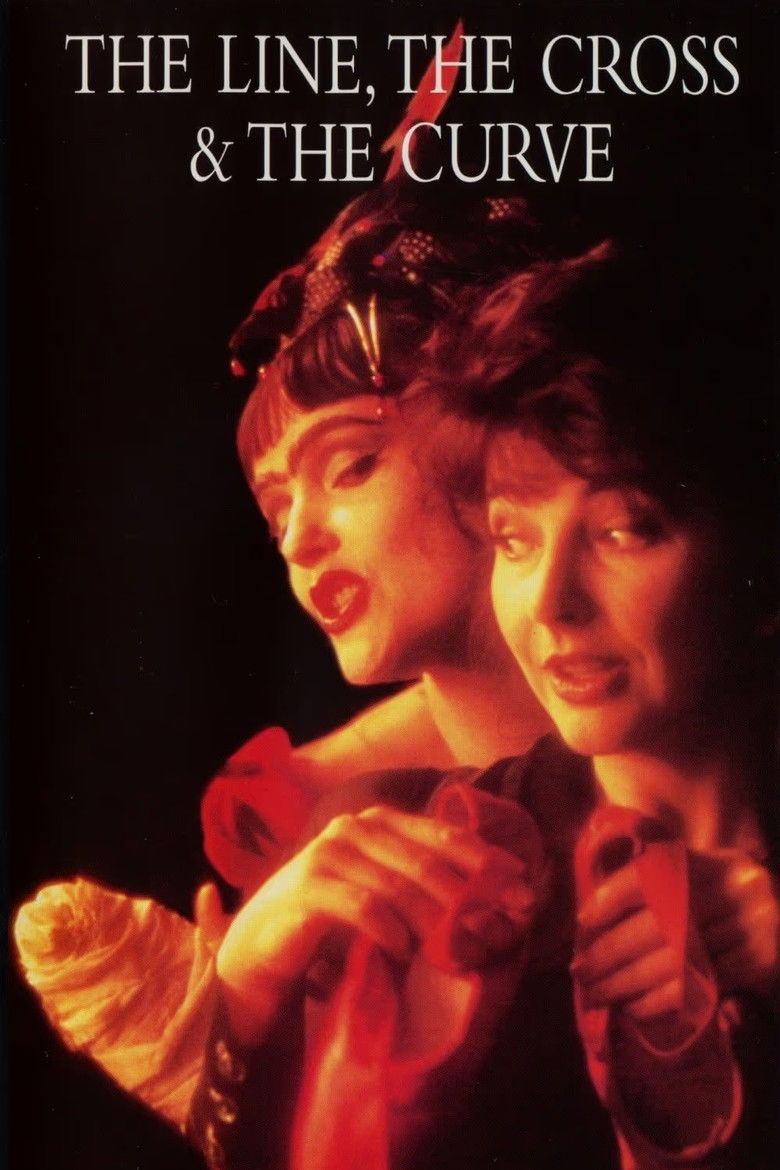
1994
Director
Kate Bush
Runtime
44 minutes
Average Rating
No ratings yetSynopsis
A singer struggles to dance well in rehearsal with her band. A power outage leaves her alone in the studio, reviewing her life, when a mysterious woman appears through the mirror and gives her a pair of Red Shoes. The cursed shoes dance beautifully, but endlessly. The singer is drawn irresistibly into the fey world beyond the mirror, where she must redeem three magic symbols from the mysterious woman in order to obtain release from the cursed shoes.
Overall Score
Good
Category Breakdown
LGBTQ+ Representation
The narrative centers on a mystical encounter between two women. While sexual orientation is not explicitly defined, the feminine-centric connection suggests a departure from heteronormative storytelling.
Gender Representation
The film disrupts conventional expectations by centering entirely on female agency. By eschewing male characters, the work avoids reinforcing standard gender hierarchies through a specialized, feminine-coded journey.
Racial & Ethnic Diversity
The provided information focuses on a psychological struggle within a studio setting. There is no specific mention of cast composition or ethnic dynamics to assess.
Religious & Cultural Diversity
The film prioritizes a mythic framework over institutional religion. It utilizes magic symbols and a fey world to explore subjective morality and a fluid, symbolic existence.
Disability Representation
The cursed shoes that force endless dancing may serve as a metaphor for loss of bodily autonomy. However, it is unclear if this is a deliberate representation.
Strengths
Areas for Improvement
AI Analysis
The film presents a highly specialized, feminine-centric narrative that prioritizes mythic experience over traditional commercial tropes. By centering the story on a woman's internal artistic struggle and her encounter with a female entity, the work successfully avoids standard gender hierarchies. However, the lack of information regarding racial and ethnic diversity prevents a complete assessment of the film's inclusivity. The representation of disability remains ambiguous, existing only as a potential metaphor for compulsion rather than an explicit portrayal. Ultimately, the work excels in its subversion of material reality, favoring a postmodern, symbolic approach to storytelling that elevates female agency and spiritual exploration.
1987

2005

2005

2022

1991
No reviews yet. Be the first to share your thoughts on this movie!
Use the rating form above to leave a star rating and optional review.