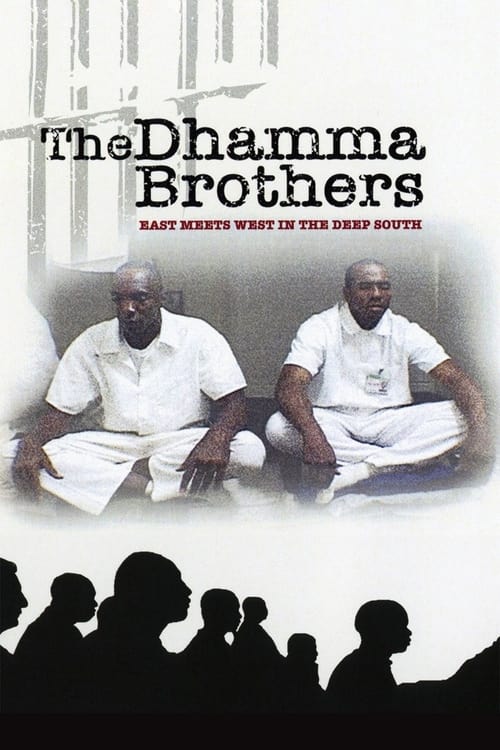
The Dhamma Brothers
2007
No user ratings available yet
Representation score: 2.1 out of 10
Representation Score
Fair
1997
Runtime
52 minutes
Average Rating
No ratings yetNew Showbiz Analysis
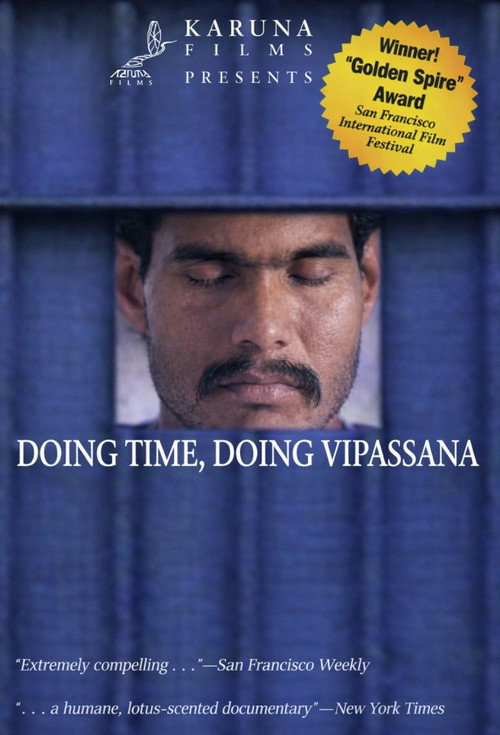
Doing Time, Doing Vipassana offers a nuanced look at human resilience by focusing on the diverse Indian population. It highlights ethnic ability to act and challenges institutional authority through Kiran Bedi’s leadership. However, the film’s impact is limited by a lack of LGBTQ+ representation and a focus on a predominantly male inmate population. While it addresses mental health through meditation, it does not explicitly cover physical or sensory disabilities. Overall, the documentary effectively explores social rehabilitation using Eastern contemplative practices.
Category Breakdown
The film does not include any LGBTQ+ characters or narratives. It follows traditional social structures within the prison setting.
Kiran Bedi showcases strong female leadership within a traditionally male-dominated institution. However, the inmate population is mostly male, and the film does not challenge gender hierarchies explicitly.
The documentary highlights a diverse Indian population, giving significant roles to characters of various ethnicities through their personal growth and transformation.
By emphasizing Vipassana meditation, the film challenges Western-centric rehabilitation methods. It focuses on Eastern philosophical practices and secular mental discipline rather than religious doctrine.
The film addresses mental health issues but does not feature physical disabilities. Meditation is presented as a tool for managing psychological trauma and emotional regulation.
Present on Screen
Limited or Absent
Official Synopsis
This is the story of an ancient meditation technique named Vipassana, which shows people how to take control of their lives and channel them toward their own good.It is the story of a strong woman named Kiran Bedi, the former Inspector General of Prisons in New Delhi, who strove to transform the notorious Tihar Prison and turn it into an oasis of peace. But most of all it is the story of prison inmates who underwent profound change, and who realized that incarceration is not the end but possibly a fresh start toward an improved and more positive life.
2007

2012

2019

2015
2017

2011

2017

2015
No reviews yet. Be the first to share your thoughts on this movie!
Use the rating form above to leave a star rating and optional review.