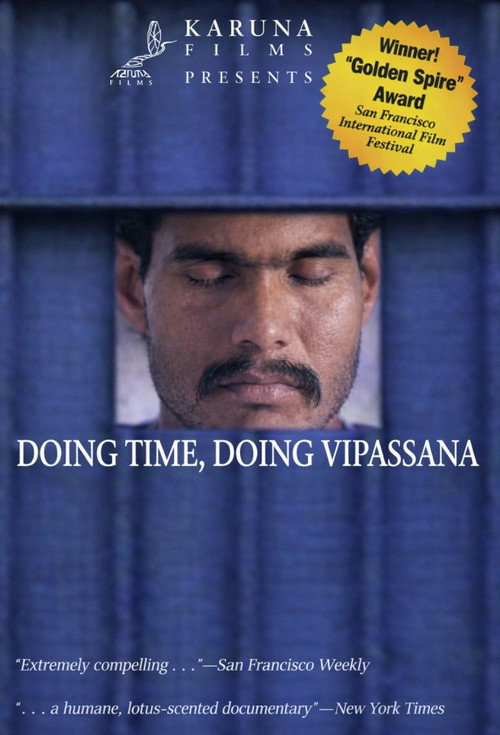
Doing Time, Doing Vipassana
1997
No user ratings available yet
Representation score: 5.5 out of 10
Representation Score
Good
2019
PG-13Director
Tricia Brouk
Runtime
13 minutes
Average Rating
No ratings yetNew Showbiz Analysis
The film serves as a study in institutional disruption, focusing on how spiritual practices can bridge the gap between staff and inmates. It moves beyond the traditional oppressor/oppressed binary found in carceral settings. Its primary strength lies in integrating non-Western philosophical frameworks into a Western state-run institution. This provides a tool for navigating systemic crises through empathy rather than punishment. However, the documentary lacks specific data regarding LGBTQ+ representation and detailed depictions of neurodivergence. The narrative's impact relies heavily on its thematic engagement with systemic reform.
Category Breakdown
The film does not include explicit LGBTQ+ characters or narratives. There is not enough information to determine how queer identities are represented within the prison or chaplaincy.
The documentary challenges traditional hyper-masculine prison hierarchies by introducing mindfulness practices. This approach challenges conventional leadership roles through introspective spiritual engagement.
The setting inherently engages with systemic realities that disproportionately affect communities of color. The film likely focuses on the diverse demographic makeup of the inmate population.
The narrative prioritizes non-Western Buddhist principles over traditional Christian morality. This approach critiques the punitive nature of Western institutions through a progressive spiritual lens.
While specific mental health depictions are not detailed, the use of meditation suggests a focus on managing trauma. This provides a potential window into psychological well-being.
Present on Screen
Limited or Absent
Official Synopsis
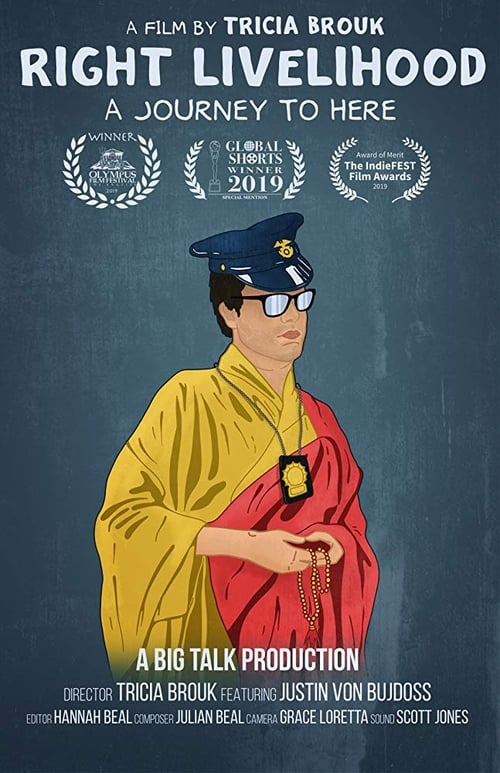
On Rikers Island, one of the toughest prison's in the country, Buddhist Chaplain Justin Von Bujdoss is changing the culture around spiritual care, and teaching meditation to the Correction Officers while also holding space for the inmates.
1997

2020
2007

2012
2017

2011

2015

2017
No reviews yet. Be the first to share your thoughts on this movie!
Use the rating form above to leave a star rating and optional review.