
Nobody Famous
2018
No user ratings available yet
Representation score: 5.2 out of 10
Representation Score
Limited
2014
Not RatedDirector
Adam Rapp
Runtime
80 minutes
Average Rating
No ratings yetNew Showbiz Analysis
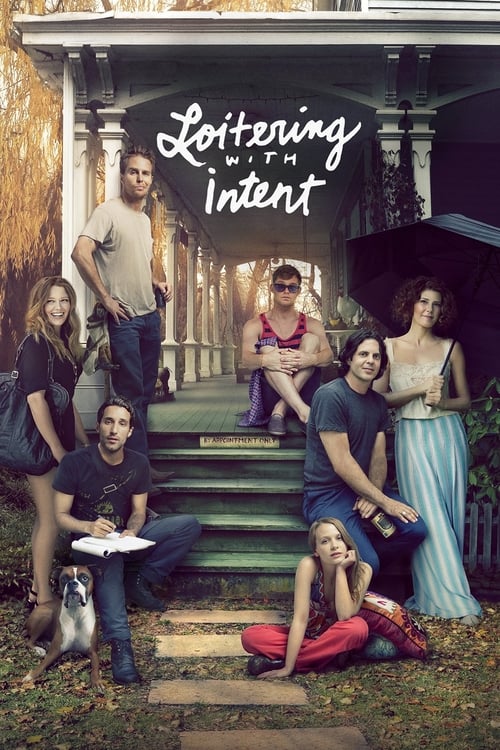
Loitering with Intent primarily serves as a psychological character study rather than a broad demographic exploration. Its narrative strength lies in its refusal to adhere to conventional moral certainties, favoring a fragmented, subjective experience. The film successfully challenges traditional gender stereotypes by giving female characters significant roles in violent, complex scenarios. However, this progress is offset by a lack of diverse representation, particularly regarding race and LGBTQ+ identities. Ultimately, the work prioritizes psychological tension and moral ambiguity over broader social representation, focusing on a narrow but intense portrayal of a predominantly white social circle.
Category Breakdown
The film does not prominently feature LGBTQ+ characters or explore non-straight relationships. The interpersonal dynamics focus on a group of friends without explicitly addressing queer identities.
Female characters face high-stakes, morally complex situations where they play significant roles in driving the story. The film avoids traditional damsel-in-distress archetypes, emphasizing the collective psychological vulnerability of the group.
The ensemble is predominantly white and urban, with the narrative centered within a specific socioeconomic context. It offers limited representation of diverse racial backgrounds or non-Anglo-Saxon cultures.
The story challenges traditional crime narratives by blurring the lines between victims and perpetrators. It employs a postmodern perspective to question objective morality, presenting a nuanced view of moral ambiguity.
The film does not portray characters with disabilities, either visible or invisible, nor does it include characters defined by neurodivergence or physical impairments.
Present on Screen
Limited or Absent
Official Synopsis
Fledgling screenwriters retreat to a quiet country manor to work on their script, but a constellation of needy characters produces constant interruptions.
2018
2020

2008

2024

2012

2014

2021
2005
No reviews yet. Be the first to share your thoughts on this movie!
Use the rating form above to leave a star rating and optional review.