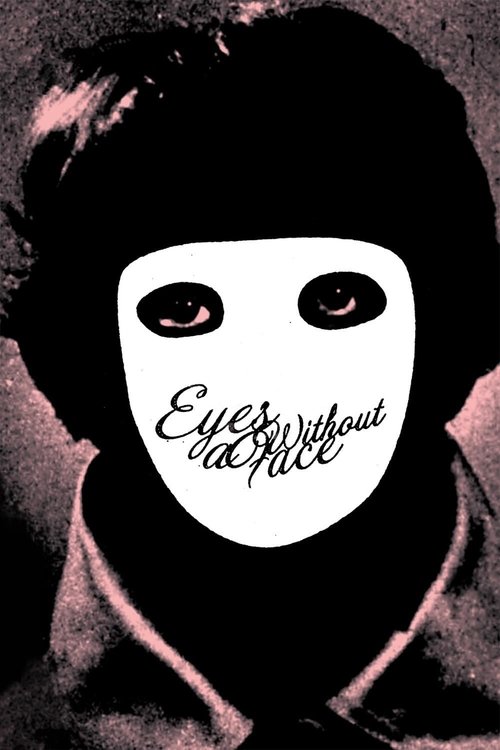
Eyes Without a Face
1960
No user ratings available yet
Representation score: 3.7 out of 10
Representation Score
Limited
1977
RDirector
John Grissmer
Runtime
95 minutes
Average Rating
No ratings yetNew Showbiz Analysis
False Face is a traditional 1970s psychological thriller that prioritizes genre clichés over storytelling that reflects multiple aspects of identity. The narrative is driven by a singular, pathological obsession centered on a male protagonist's control over a female victim. The film lacks intentional representation across most categories. It relies on established power imbalances and homogeneous casting typical of the era's horror cinema, offering little in the way of diverse character's ability to drive the story or social critique. Ultimately, the work functions as a character study of individual madness rather than a vehicle for exploring broader cultural or social identities.
Category Breakdown
The film operates within traditional frameworks that assume everyone is straight or cisgender. There are no LGBTQ+ characters or non-cisgender identities present in the narrative.
A male surgeon exercises significant control over a female subject. The woman serves as a passive canvas for his psychological projections, reinforcing traditional power imbalances.
The film appears to adhere to the homogeneous casting standards of mid-70s American cinema. There is no indication of a diverse or non-Anglo-Saxon majority cast.
The story focuses on individual psychopathy rather than sociopolitical critiques. It lacks themes of anti-capitalist or secularist advocacy, focusing instead on personal horror.
Physical trauma serves as a catalyst for the surgeon's obsession. The victim lacks control over what happens to her, as the impairment is used primarily as a plot device.
Present on Screen
Limited or Absent
Official Synopsis
A psychopathic plastic surgeon transforms a young accident victim into the spitting image of his missing daughter.
1960

1924
1991
1935
1945
1988
1973

2011
No reviews yet. Be the first to share your thoughts on this movie!
Use the rating form above to leave a star rating and optional review.