High Flight
1957
No user ratings available yet
Representation score: 0.6 out of 10
Representation Score
Minimal
1943
ApprovedDirector
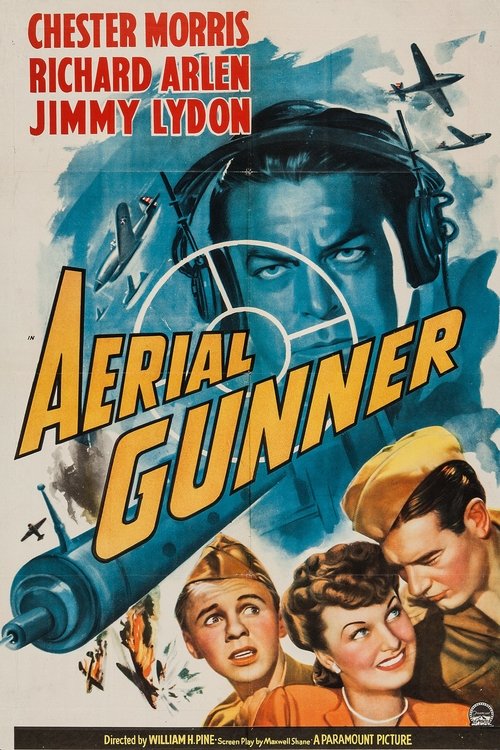
William H. Pine
Runtime
78 minutes
Average Rating
No ratings yetNew Showbiz Analysis
Aerial Gunner is a conventional wartime film that emphasizes traditional social hierarchies and military duty. It relies on established mid-century clichés, focusing on male camaraderie and competition for female attention. The narrative structure does not explore complex identities. Instead, it reinforces the social cohesion and institutional values prominent in 1940s American cinema. Ultimately, the film serves as a straightforward genre piece that reflects the era's standard depictions of Allied forces and heterosexual romantic structures.
Category Breakdown
The film follows strict heterosexual norms of the 1940s. The central conflict centers around male competition for a female character, reinforcing traditional romantic roles.
Men hold most of the power and influence in the story. Women mainly act as catalysts for male competition rather than having their own independent roles or depth.
The production reflects the homogeneous casting practices typical of 1940s American action films. It focuses on a standard Western military archetype without showing racial diversity.
The narrative highlights patriotism and military authority as stabilizing forces. It upholds traditional Western institutional values and the importance of wartime service.
There is no information about characters with physical or neurodivergent disabilities in this production.
Present on Screen
Limited or Absent
Official Synopsis
Old rivals are pitted against each other in basic training and fight for the same woman.
1957
1974
1953
1927
1945
1943
1989
1944
No reviews yet. Be the first to share your thoughts on this movie!
Use the rating form above to leave a star rating and optional review.